The Kansas–Nebraska Act became law, establishing the U
The Kansas–Nebraska Act became law, establishing the U.S. territories of Nebraska and Kansas, and allowing their settlers to determine if slavery would be permitted.
1849 results for “Norbert Tiemann, American soldier and politician, 32nd Governor of Nebraska (born 1924)” — type: selected (2592 ms)
The Kansas–Nebraska Act became law, establishing the U.S. territories of Nebraska and Kansas, and allowing their settlers to determine if slavery would be permitted.
Minnesota was carved out of the eastern half of the Minnesota Territory and admitted as the 32nd U.S. state.
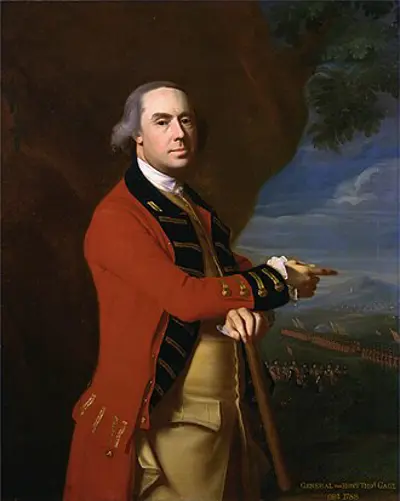
Under orders from Governor Thomas Gage, British soldiers removed gunpowder from a magazine in the Province of Massachusetts Bay, which caused Patriots to prepare for war.
Thomas Gage, the governor of the Province of Massachusetts Bay, offered a general pardon to colonists who remained loyal to Britain.
Hundreds of Canadian soldiers rioted in Epsom, England, leading to the death of a British police officer.
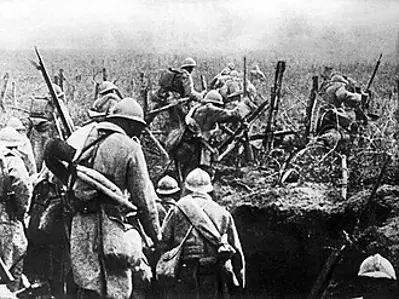
�er his platoon suffered heavy casualties during the Meuse–Argonne offensive in France's Forest of Argonne, American Corporal Alvin York led the 7 remaining men on an attack against a German machine gu�
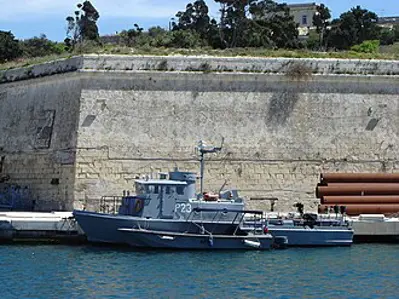
An explosion on board a Maltese patrol boat that was disposing of illegal fireworks at sea off Gozo killed seven soldiers and policemen.
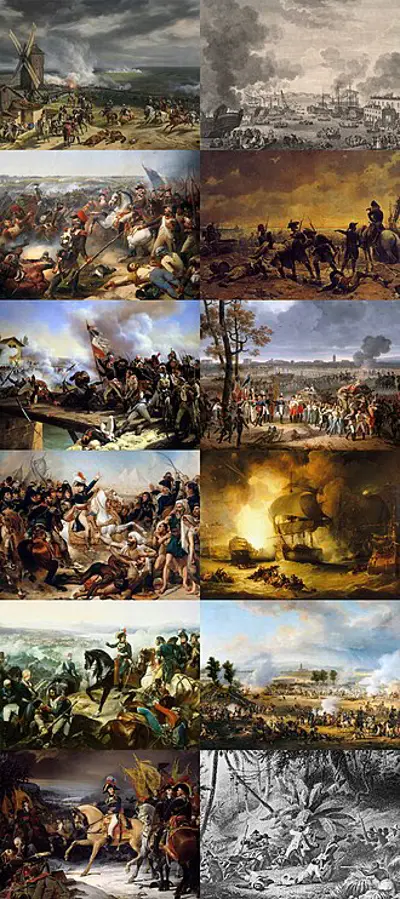
French Revolutionary Wars: Off the coast of Brittany, a Royal Navy squadron commanded by William Cornwallis (pictured) fended off a numerically superior French Navy fleet.
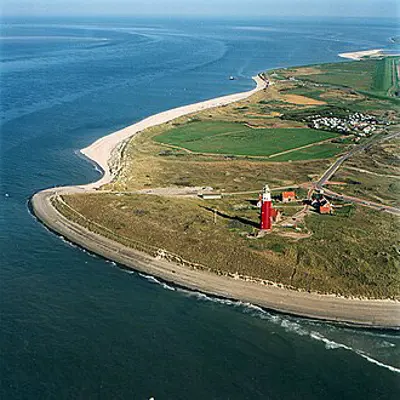
Off the coast of the Dutch island of Texel, a British naval squadron sank the German 7th Half Flotilla of torpedo boats in the Battle off Texel.
American Revolutionary War: Approximately ten American soldiers were killed by Loyalists and their Native American allies in the Sugarloaf massacre in Luzerne County, Pennsylvania.
The Virginia Governor's Council made John Punch the first legally recognized slave in England's North American colonies.
Governor Orval Faubus deployed the Arkansas National Guard to prevent nine African-American students from attending Little Rock Central High School (pictured).
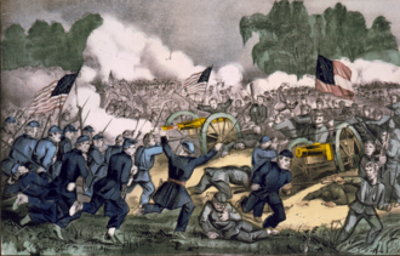
American Civil War: African-American Union soldiers were massacred and mutilated during and after the Battle of Poison Spring.
Anti-Jewish riots broke out in Kishinev, the capital of Bessarabia Governorate, causing the death of nearly 50 Jews and focusing worldwide attention on the persecution of Jews in Russia.
Governor Davis Hanson Waite ordered the Colorado state militia to protect and support miners engaged in a five-month strike in Cripple Creek.
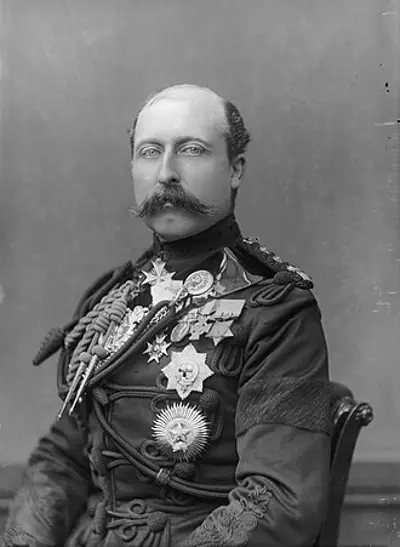
Prince Arthur, a son of Queen Victoria, became the first Governor General of Canada of royal descent, as well as the first Prince of Great Britain and Ireland to hold that position.
During a constitutional crisis, Governor-General Sir John Kerr (pictured) dismissed Prime Minister Gough Whitlam's government and dissolved the Parliament of Australia for a double-dissolution electio�
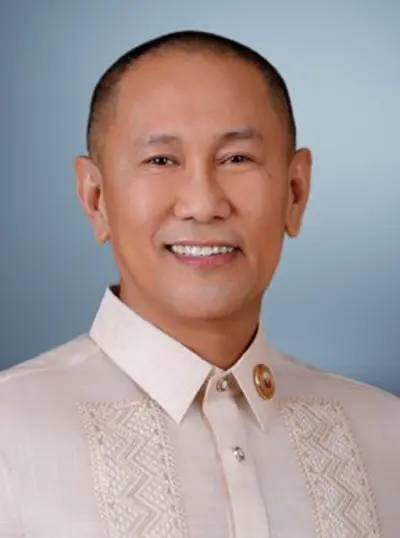
A crowd of people on their way to register Esmael Mangudadatu's candidacy for governor of Maguindanao, Philippines, were kidnapped and killed by supporters of his rival, resulting in 58 deaths.
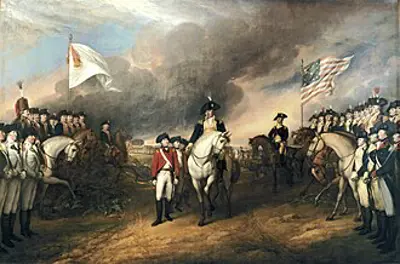
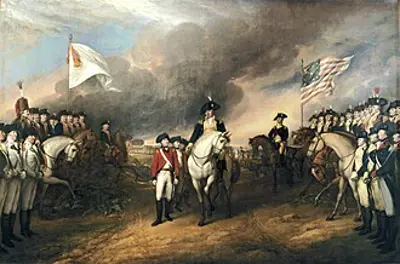
American Revolutionary War: British forces led by Lord Cornwallis officially surrendered to Franco-American forces under George Washington and the comte de Rochambeau, ending the Siege of Yorktown.
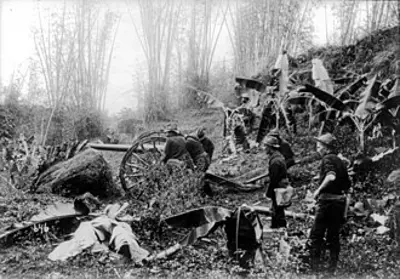
Philippine–American War: Filipino guerrillas killed more than forty American soldiers in a surprise attack on the town of Balangiga on the island of Samar.