1169
Norman mercenaries landed at Bannow Bay in Leinster, beginning the Norman invasion of Ireland
Norman mercenaries landed at Bannow Bay in Leinster, beginning the Norman invasion of Ireland.
14 results for “Norman Deeley” — type: selected (26 ms)
Norman mercenaries landed at Bannow Bay in Leinster, beginning the Norman invasion of Ireland.
War of the First Coalition: A British garrison repelled a French attack on the Îles Saint-Marcouf off the Normandy coast, inflicting heavy losses.

Former British Liberal Party leader Jeremy Thorpe was acquitted of conspiracy to murder Norman Scott, who had accused Thorpe of having a relationship with him.
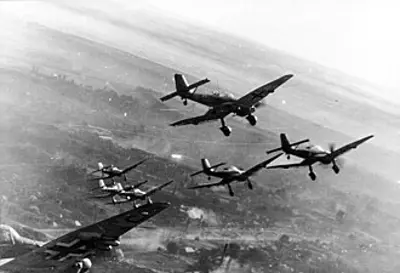
Second World War: Canadian troops defeated the last German counterattacks against Carpiquet, Normandy, France.

Gulf War: US General Norman Schwarzkopf Jr. issued General Order No. 1 prohibiting US troops from consuming alcohol or possessing pornographic material.
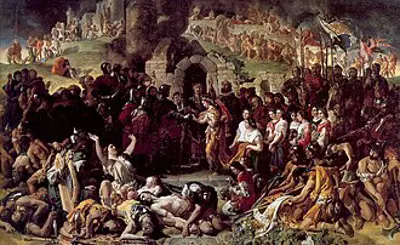
Norman invasion of Ireland: English and Irish forces conquered Dublin, forcing Ascall mac Ragnaill, the last Norse–Gaelic king of Dublin, into exile.
In the Battle of Tinchebray in Normandy, the invading King Henry I of England captured his brother Robert Curthose.
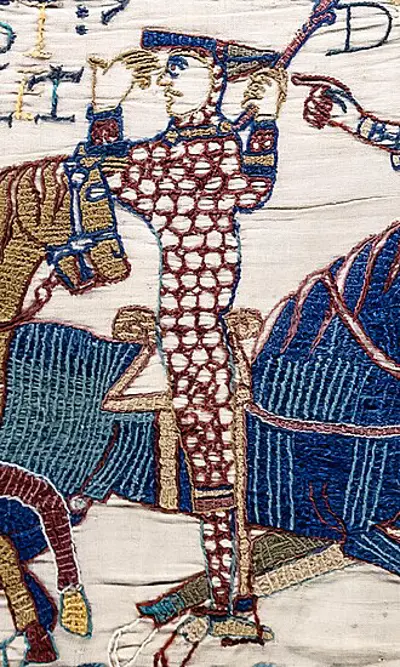
William the Conqueror and his fleet of around 600 ships landed at Pevensey, Sussex, beginning the Norman conquest of England.
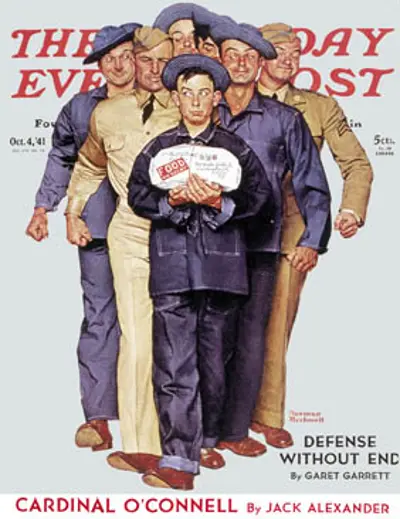
Willie Gillis, one of Norman Rockwell's trademark characters, debuted on the cover of The Saturday Evening Post.
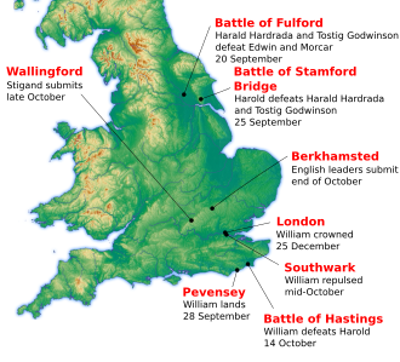
Norman Conquest: William the Conqueror's forces defeated the English army at Hastings and killed Harold Godwinson (depicted), the last crowned Anglo-Saxon king of England.
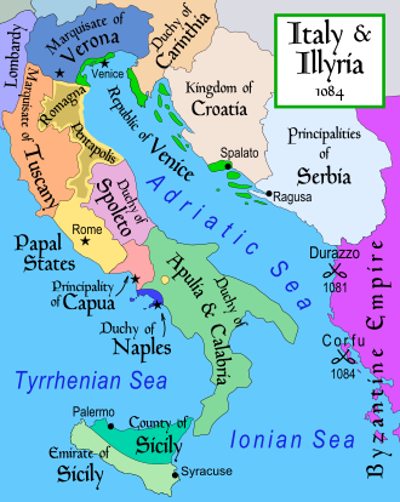
Byzantine–Norman wars: Robert Guiscard led an invasion of the Byzantine Empire, capturing Dyrrhachium in present-day Albania.
World War II: Operation Overlord, the largest amphibious military operation in history, began with Allied troops landing on the beaches of Normandy in France.
World War II: A combined Canadian–Polish force captured the town of Falaise, France, in the final offensive of the Battle of Normandy.
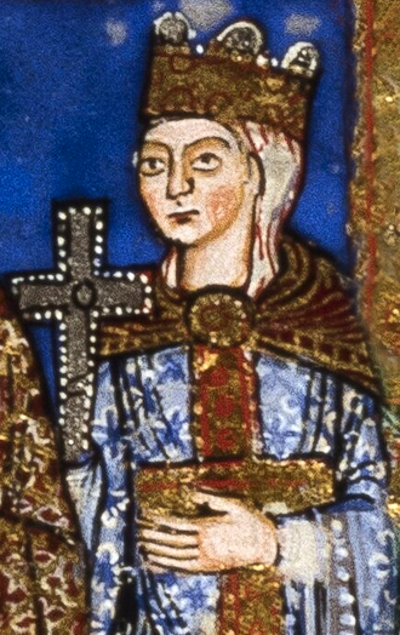
After Empress Matilda released her rival King Stephen, he in turn released Robert of Gloucester, her strongest supporter, thus prolonging the Anglo-Norman civil war known as The Anarchy.