Norwegian chess grandmaster Magnus Carlsen (pictured) defeated India's Viswanathan Anand to become world chess champion.
89 results for “Peter Biyiasas, Greek-Canadian chess player” — type: selected (637 ms)
Norwegian chess grandmaster Magnus Carlsen (pictured) defeated India's Viswanathan Anand to become world chess champion.
In a match widely publicized as a Cold War confrontation, American chess grandmaster Bobby Fischer became the 11th World Chess Champion with his victory over Soviet Boris Spassky.
Greek War of Independence: At the Battle of Gravia Inn, a 120-man Greek force led by Odysseas Androutsos repulsed an Ottoman army of 8,000 soldiers.
Sweden, Norway, and Denmark submit the Greek case alleging human rights violations by the Greek junta.
The Mechanical Turk (pictured), a fraudulent chess-playing "machine" by Wolfgang von Kempelen that was secretly controlled by a hidden human, began a tour of Europe.
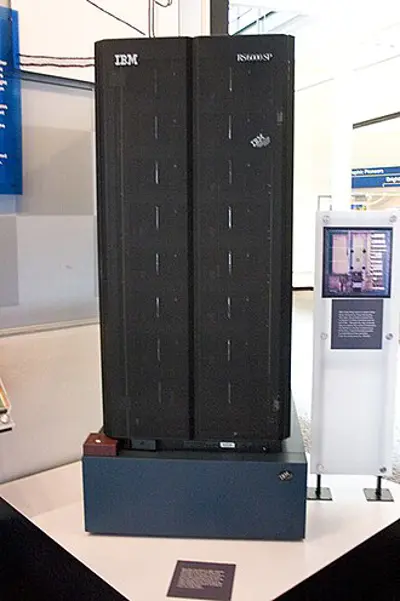
Deep Blue defeated Garry Kasparov in six games to become the first chess computer to win a match against a world champion.
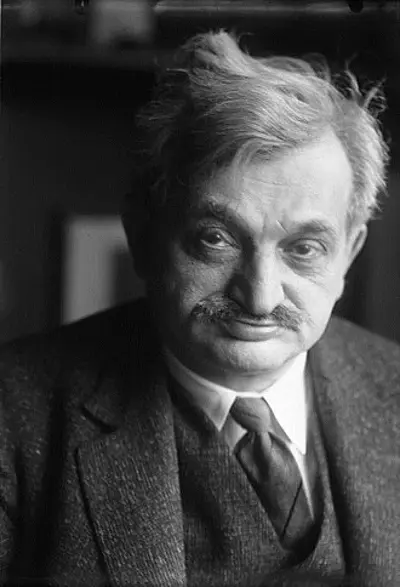
Germany's Emanuel Lasker defeated Wilhelm Steinitz to become the world chess champion, beginning a record 27-year reign.
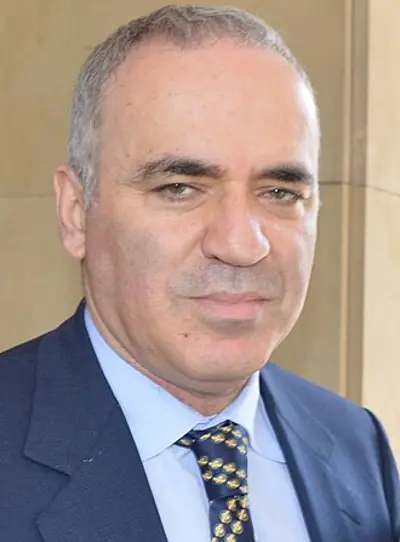
At age 22, Garry Kasparov became the then-youngest World Chess Champion by defeating then-champion Anatoly Karpov.
World War II: Italy invaded Greece after Greek prime minister Ioannis Metaxas rejected Benito Mussolini's ultimatum demanding the cession of Greek territory.
"Advance Australia Fair", written by Scottish-born composer Peter Dodds McCormick, officially replaced "God Save the Queen" as Australia's national anthem.
Having been appointed the director-general of New Netherland, Peter Minuit arrived in Manhattan.
The Council of Pisa elected Peter of Candia as Alexander V, becoming the third simultaneous claimant of the papacy during the Western Schism.
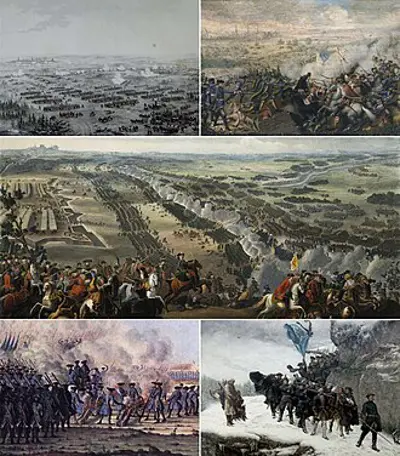
Great Northern War: Swedish forces under Charles XII were defeated by Russian troops led by Peter the Great at the Battle of Poltava.
Upon the death of his uncle Stephen I, Peter (depicted) became the second king of Hungary.
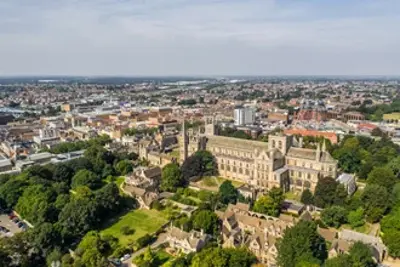
Several British Muslim youths in Peterborough, England, murdered 17-year-old Ross Parker, leading to debate over whether the British media failed to cover racially motivated crimes with white victims.
�eld-sequential color system developed by Hungarian-American engineer Peter Goldmark became the first color television system to be adopted for commercial use, only for it to be abandoned a year later.
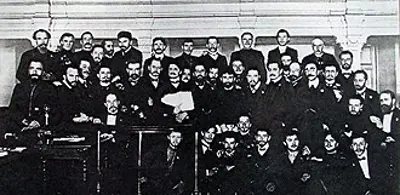
The Saint Petersburg Soviet held its first meeting, becoming the first elected body in Russia to represent workers.
A bomb exploded under, and derailed, a Russian high-speed train travelling between Moscow and Saint Petersburg, killing 28 passengers.
World War II: The British Special Boat Service executed a successful raid to destroy an Axis radio station on the Greek island of Santorini.
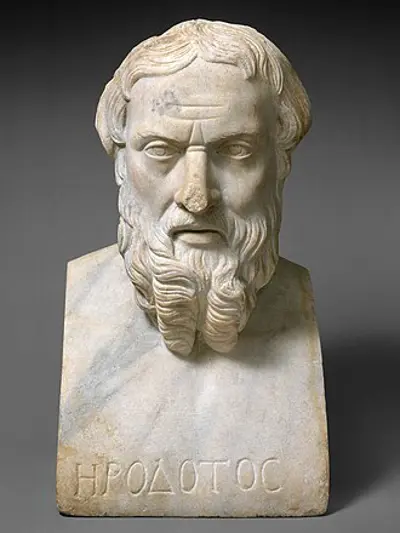
According to the Greek historian Herodotus, a solar eclipse, accurately predicted by Thales of Miletus, abruptly ended the Battle of Halys between the Lydians and the Medes.