
1073
Gregory VII was elected pope following the death of Alexander II
Gregory VII was elected pope following the death of Alexander II.
71 results for “Pope Gregory VII (born 1020)” — type: selected (356 ms)
Gregory VII was elected pope following the death of Alexander II.

After the death of Gregory XV, a papal conclave in Rome elected Maffeo Barberini as Pope Urban VIII.
Cardinal Robert Francis Prevost was elected as Pope Leo XIV (pictured), making him the first pope born in the United States, the first to hold either U.S. or Peruvian citizenship, the first from the O�

Pope Alexander VII appointed François de Laval as the first apostolic vicar of New France.

Pope John VIII officially recognised Croatia as an independent state, and Branimir (monument pictured) as its duke.
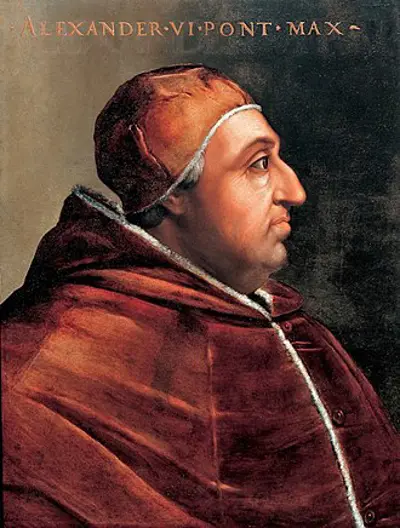
The first conclave to be held in the Sistine Chapel elected Roderic Borja as Pope Alexander VI to succeed Innocent VIII.

Gregory II began his pontificate; his conflict with Byzantine emperor Leo III eventually led to the establishment of the temporal power of the pope.
Pope Benedict XVI began the beatification process for his predecessor Pope John Paul II, waiving the standard five years required after the nominee's death.
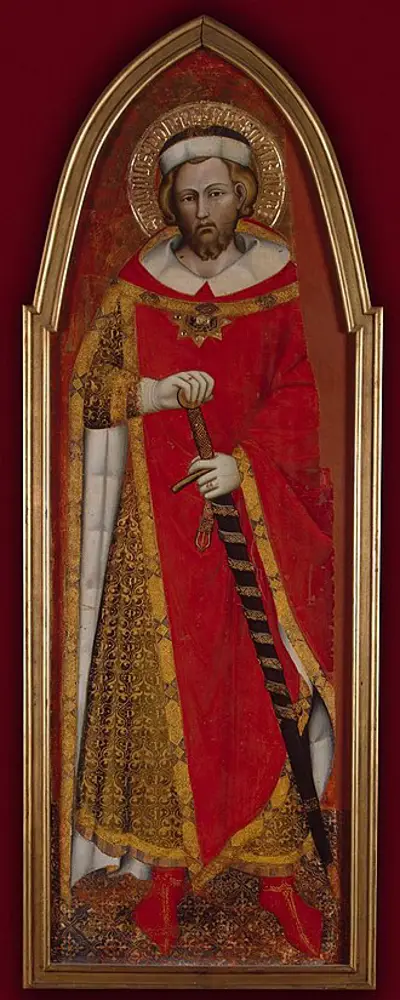
Pope Pontian (pictured) resigned after being exiled to Sardinia, becoming the first pope to relinquish the position.
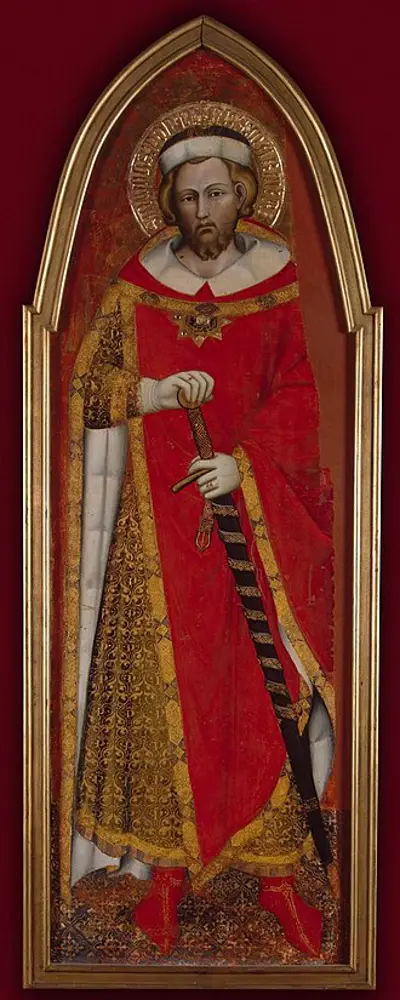
Pope Pontian resigned after being exiled to Sardinia, becoming the first pope to relinquish the position.
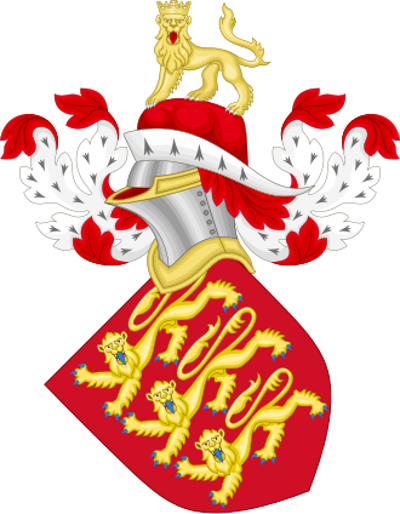
The Parliament of England passed the first Act of Supremacy, making King Henry VIII head of the Church of England, supplanting the pope and the Catholic Church.

William Lawson, Gregory Blaxland and William Wentworth departed westward from Sydney on an expedition to become the first confirmed Europeans to cross the Blue Mountains.

While in prison for murder, boxer James Scott defeated Eddie "The Flame" Gregory, a leading light heavyweight.

Thomas Cranmer, Archbishop of Canterbury, annulled Henry VIII's marriage to his first wife Catherine of Aragon (pictured), beginning events that would culminate in the English Reformation.

Jane Seymour, a former lady-in-waiting, married King Henry VIII, becoming the queen consort of England.

Catherine of Aragon (pictured) married King Henry VIII of England, becoming the first of his six wives.
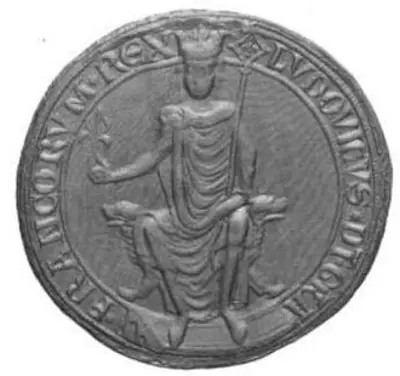
Louis VIII (seal pictured) began his three-year reign as King of France.

King Henry VIII of England had his chief minister Thomas Cromwell executed for treason and heresy.

Prussia declared its intervention in the War of the Austrian Succession on behalf of Charles VII, beginning the Second Silesian War.