1780
Franz Friedrich Wilhelm von Fürstenberg founds the University of Münster
Franz Friedrich Wilhelm von Fürstenberg founds the University of Münster.
26 results for “Wilhelm Furtwängler” — type: events (25 ms)
Franz Friedrich Wilhelm von Fürstenberg founds the University of Münster.

Paul von Hindenburg defeats Wilhelm Marx in the second round of the German presidential election to become the first directly elected head of state of the Weimar Republic.

Hödel assassination attempt by anarchist Max Hödel targeting the German Kaiser, Wilhelm I.
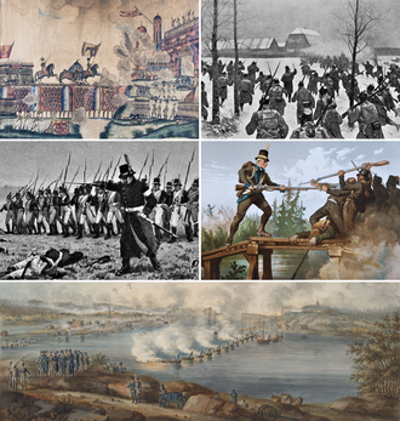
Finnish War: Swedish-Finnish troops, led by Captain Karl Wilhelm Malmi, conquer the city of Kuopio from Russians after the Battle of Kuopio.

Nobiling assassination attempt by anarchist Karl Nobiling targeting the German Kaiser, Wilhelm I.
Battle of Wilhelmsthal: The British-Hanoverian army of Ferdinand of Brunswick defeats French forces in Westphalia.
The Left SR uprising in Russia starts with the assassination of German ambassador Wilhelm von Mirbach by Cheka members.

Austro-Prussian War: Battle of Lissa: The Austrian Navy, led by Admiral Wilhelm von Tegetthoff, defeats the Italian Navy near the island of Vis in the Adriatic Sea.

Kaiser Wilhelm II makes a speech comparing Germans to Huns; for years afterwards, "Hun" would be a disparaging name for Germans.

Queen Wilhelmina of the Netherlands becomes the first reigning queen to address a joint session of the United States Congress.
German admiral Wilhelm Souchon hands over the two warships under his command to the Ottomans and becomes commander of the Turkish navy, leading later to the entry of the Ottoman Empire in World War I.
Queen Wilhelmina opens the Peace Palace in The Hague.
Wilhelm, Prince of Albania leaves the country after just six months due to opposition to his rule.
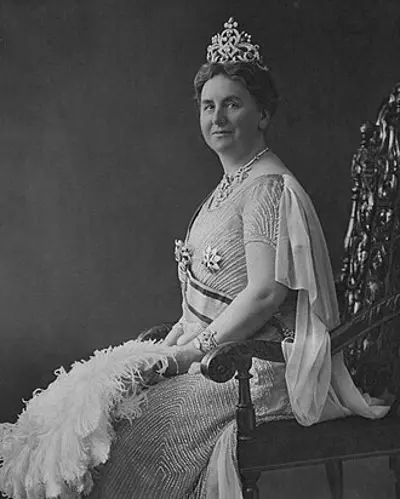
Queen Wilhelmina of the Netherlands abdicates for health reasons.

In the Netherlands, a law granting full voting rights to women is granted royal assent by Queen Wilhelmina.
World War I: Germany's Supreme Army Command tells Kaiser Wilhelm II and Imperial Chancellor Georg Michaelis to open negotiations for an armistice to end the war.
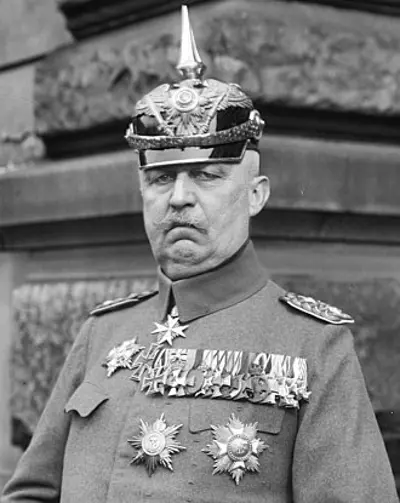
World War I: Erich Ludendorff, quartermaster-general of the Imperial German Army, is dismissed by Kaiser Wilhelm II for refusing to cooperate in peace negotiations.
World War II: Five hundred aircraft of the U.S. 8th Air Force devastate Wilhelmshaven harbor in Germany.
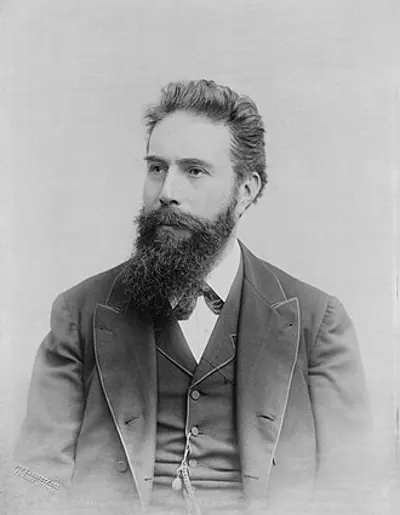
While experimenting with electricity, Wilhelm Röntgen discovers the X-ray.
Kaiser Wilhelm II of Germany abdicates after the German Revolution, and Germany is proclaimed a Republic.