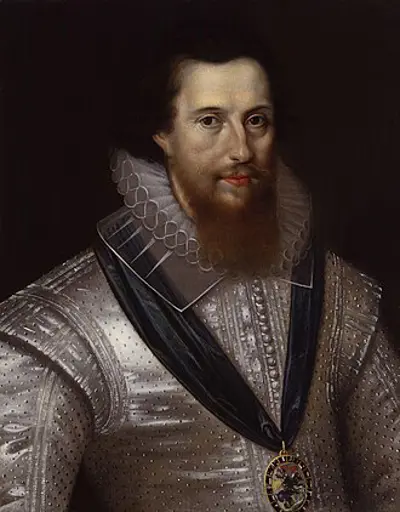
Islands Voyage: Robert Devereux, 2nd Earl of Essex, and Sir Walter Raleigh set sail on an expedition to the Azores.
848 results for “William FitzRobert, 2nd Earl of Gloucester” — type: events (337 ms)
Islands Voyage: Robert Devereux, 2nd Earl of Essex, and Sir Walter Raleigh set sail on an expedition to the Azores.
War of the Roses: Richard Neville, 16th Earl of Warwick, and Edward, Earl of March, land in England with a rebel army and march on London.
Battle of Homildon Hill: An invading Scottish army under Murdoch Stewart, Duke of Albany and Archibald, Earl Douglas is decimated by a contingent of 500 English archers under the command of George, Ea�
James Stewart, 1st Earl of Moray, defeats the forces of the rebelious George Gordon, 4th Earl of Huntly, in the battle of Corrichie.
The office that would later become the United States Post Office Department is established by the Second Continental Congress. Benjamin Franklin of Pennsylvania takes office as Postmaster General.
Priscilla Presley opens Graceland to the public; the bathroom where Elvis Presley died five years earlier is kept off-limits.
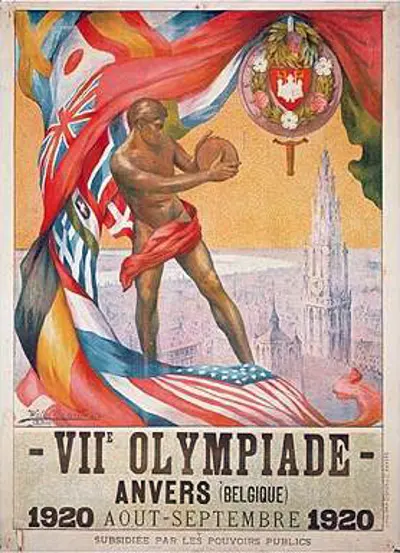
The 1920 Summer Olympics, having started four months earlier, officially open in Antwerp, Belgium, with the newly adopted Olympic flag and the Olympic oath being raised and taken at the Opening Ceremo�
�tion Proclamation, slaves in Galveston, Texas, United States, are officially informed of their freedom. The anniversary was officially celebrated in Texas and other states as Juneteenth. On June 17, 2�
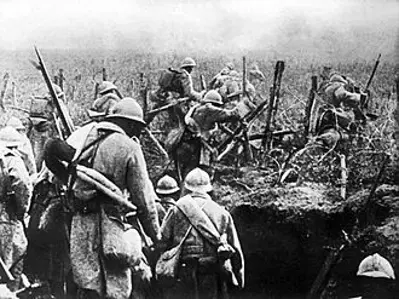
World War I: Russia launches an offensive against Austria-Hungary to capture Galicia, its final offensive of the war.
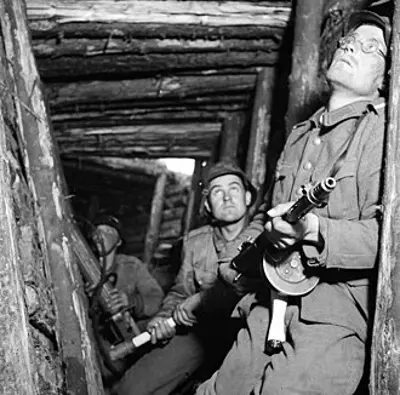
World War II: Continuation War: The Vyborg–Petrozavodsk Offensive, the largest offensive launched by Soviet Union against Finland during the Second World War, ends to a strategic stalemate. Both Finni�
Christiana Resistance: Escaped slaves led by William Parker fight off and kill a slave owner who, with a federal marshal and an armed party, sought to seize three of his former slaves in Christiana, P�
William Lawson, Gregory Blaxland and William Wentworth discover a route across the Blue Mountains, opening up inland Australia to settlement.
In Australia, William Lawson, Gregory Blaxland and William Wentworth reach Mount Blaxland, effectively marking the end of a route across the Blue Mountains.
King William III of England (William of Orange) lands in Ireland to confront the former King James II.
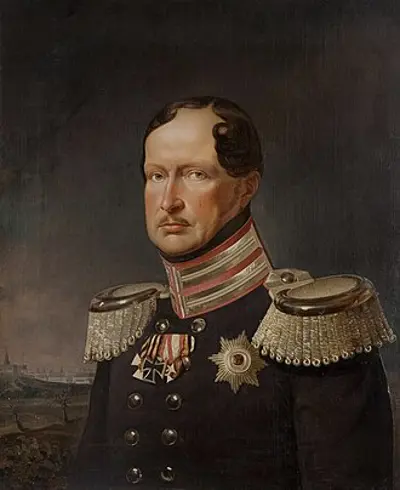
The Prussian heir apparent, Frederick William, becomes King of Prussia as Frederick William III.
An army of queen Matilda defeats and disperses an army of empress Matilda which was besieging Winchester. Robert of Gloucester is captured and exchanged for king Stephen, husband of queen Matilda.
English Civil War: Battle of Roundway Down: In England, Henry Wilmot, 1st Earl of Rochester, commanding the Royalist forces, heavily defeats the Parliamentarian forces led by Sir William Waller.
American Civil War: The two-day Second Battle of Corinth begins as Confederate forces under General Earl Van Dorn attack Union defenses led by General William Rosecrans around Corinth, Mississippi.
George Boleyn, 2nd Viscount Rochford and four other men are executed for treason.
World War II: The German 2nd Panzer Division captures the port of Boulogne-sur-Mer; the surrender of the last French and British troops marks the end of the Battle of Boulogne.