
1326
The kingdom of France and the kingdom of Scotland agree on a treaty of mutual aid at Corbeil
The kingdom of France and the kingdom of Scotland agree on a treaty of mutual aid at Corbeil.
3036 results for “William de Corbeil” — type: events (485 ms)
The kingdom of France and the kingdom of Scotland agree on a treaty of mutual aid at Corbeil.
Louis IX of France and James I of Aragon sign the Treaty of Corbeil, renouncing claims of feudal overlordship in one another's territories and separating the House of Barcelona from the politics of Fr�

William Lawson, Gregory Blaxland and William Wentworth discover a route across the Blue Mountains, opening up inland Australia to settlement.
In Australia, William Lawson, Gregory Blaxland and William Wentworth reach Mount Blaxland, effectively marking the end of a route across the Blue Mountains.

King William III of England (William of Orange) lands in Ireland to confront the former King James II.
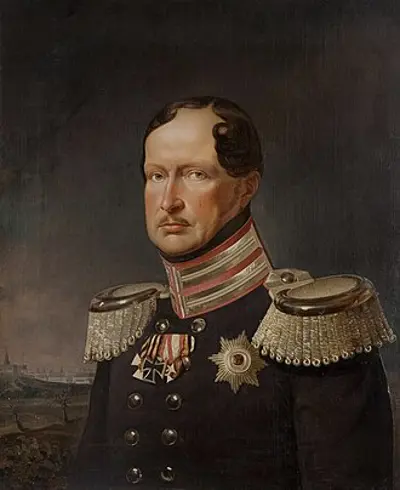
The Prussian heir apparent, Frederick William, becomes King of Prussia as Frederick William III.
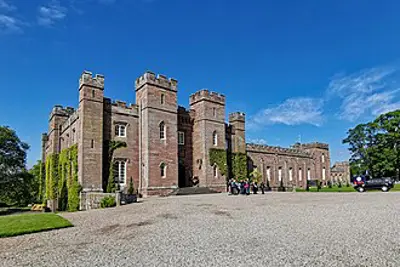
The so-called Black Parliament at Scone tries William II de Soules and other nobles who had plotted against Robert I of Scotland and intended to place William on the Scottish throne.
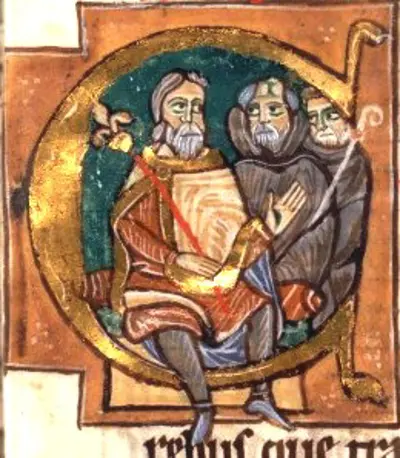
William I of Aquitaine gifts abbot Berno a group of lands close to Mâcon to found a new monastery. Contrary to other Benedictine monasteries, William sets the monastery outside of the control of any f�
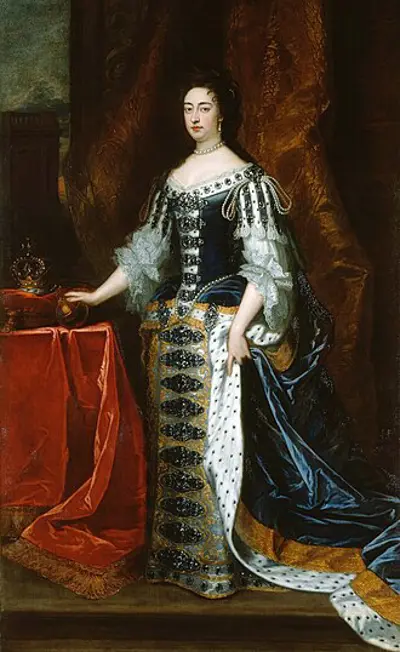
The future Mary II marries William, Prince of Orange; they later jointly reign over England, Scotland, and Ireland as William and Mary.
American adventurer William Walker departs from San Francisco with about 60 men to conquer Nicaragua.

William Clark and 42 men depart from Camp Dubois to join Meriwether Lewis at St Charles, Missouri, marking the beginning of the Lewis and Clark Expedition's historic journey up the Missouri River.

The Chinese government removes a decade-old ban on William Shakespeare's work, effectively ending the Cultural Revolution started in 1966.

William IV becomes king of Britain and Hanover following the death without surviving legitimate issue of his older brother George IV.

A Spanish squadron, led by Pascual Cervera y Topete, is defeated by an American squadron under William T. Sampson in the Battle of Santiago de Cuba.

William Jennings Bryan delivers his Cross of Gold speech advocating bimetallism at the 1896 Democratic National Convention in Chicago.
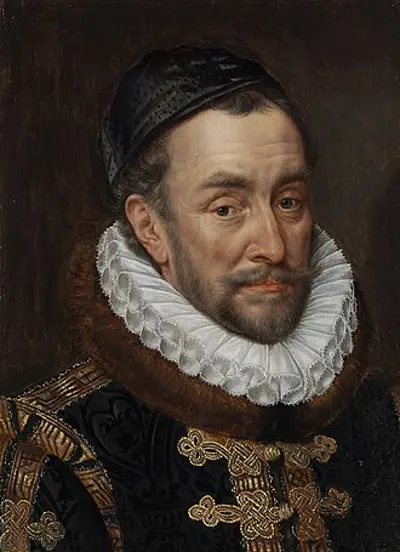
William I of Orange is assassinated in his home in Delft, Holland, by Balthasar Gérard.

Battle of Aughrim (Julian calendar): The decisive victory of William III of England's forces in Ireland.
William Shakespeare's play, The Merchant of Venice, is entered on the Stationers' Register. By decree of Queen Elizabeth, the Stationers' Register licensed printed works, giving the Crown tight contro�
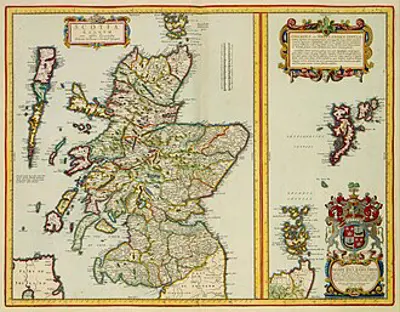
Wars of Scottish Independence: Battle of Falkirk: King Edward I of England and his longbowmen defeat William Wallace and his Scottish schiltrons outside the town of Falkirk.
The first commercial use of an electrical telegraph is successfully demonstrated in London by William Cooke and Charles Wheatstone.