Conrad IV of Germany (died 1254)
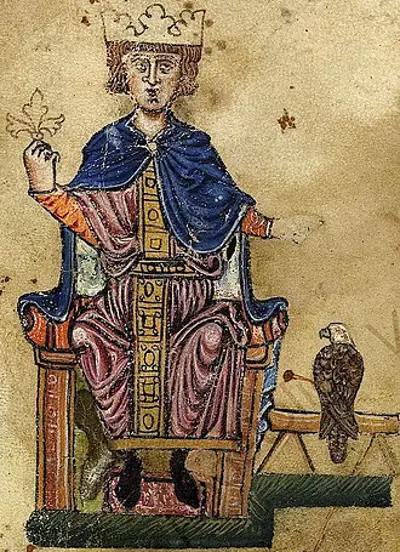
Conrad, a member of the Hohenstaufen dynasty, was the only son of Emperor Frederick II from his second marriage with Queen Isabella II of Jerusalem. He inherited the title of King …
Conrad IV of Germany (died 1254)
Explore 21 historical events from 1220β1229.
Conrad, a member of the Hohenstaufen dynasty, was the only son of Emperor Frederick II from his second marriage with Queen Isabella II of Jerusalem. He inherited the title of King …
Conrad IV of Germany (died 1254)
Isabella II, sometimes called Isabella of Brienne and erroneously Yolanda, was the queen of Jerusalem who reigned from 1212 to 1228. She was the daughter and successor of Maria of …
Queen Isabella II of Jerusalem (born 1212)
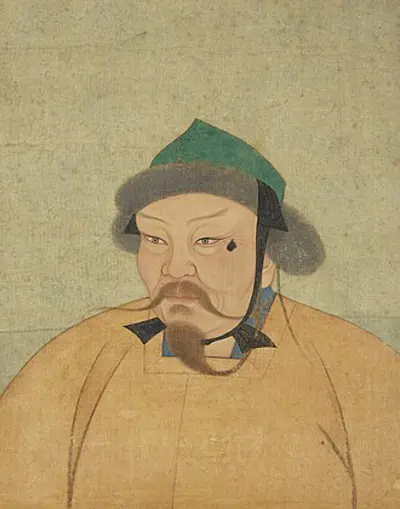
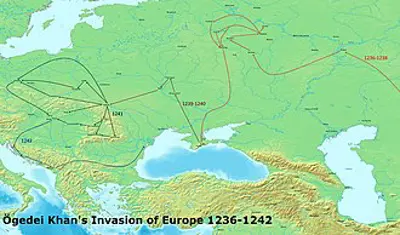
The Battle of the Kalka River was fought between the Mongol Empire, whose armies were led by Jebe and Subutai, and a coalition of several Rus' principalities, including Kiev and Ga…
Mongol invasion of the Cumans: Battle of the Kalka River: Mongol armies of Genghis Khan led by Subutai defeat Kievan Rus
The Mongol Empire invaded and conquered much of the Kievan Rus' in the mid-13th century, sacking numerous cities such as Ryazan, Yaroslavl, Pereyaslavl and Vladimir, including the …
Mongol invasion of Kievan Rus': Mongol forces defeated a Kievan Rus' army at the Battle of the Kalka River in present-da
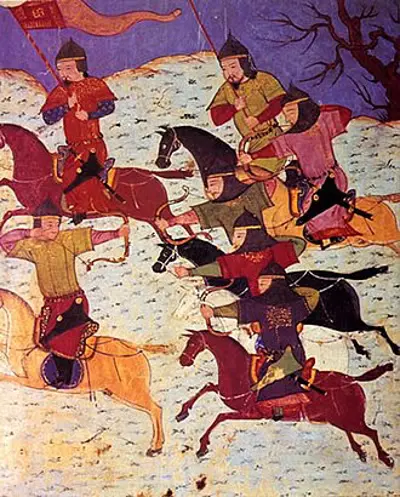
Alexander Yaroslavich Nevsky was Prince of Novgorod and Grand Prince of Vladimir (1252–1263).
Alexander Nevsky, Russian prince and saint (died 1263)
Rikissa of Denmark was Queen of Sweden as the wife of King Erik Knutsson, and the mother of King Erik Eriksson.
Rikissa of Denmark, queen of Sweden
Henry de Bohun, 1st Earl of Hereford of Pleshey Castle in Essex, was an Anglo-Norman nobleman who became Hereditary Constable of England from 1199.
Henry de Bohun, 1st Earl of Hereford (born 1176)
Pope Honorius III, born Cencio Savelli, was head of the Catholic Church and ruler of the Papal States from 18 July 1216 to his death. A canon at the Basilica di Santa Maria Maggior…
Pope Honorius III issues the bull Vineae Domini custodes in which he approves the mission of Dominican friars to Morocco
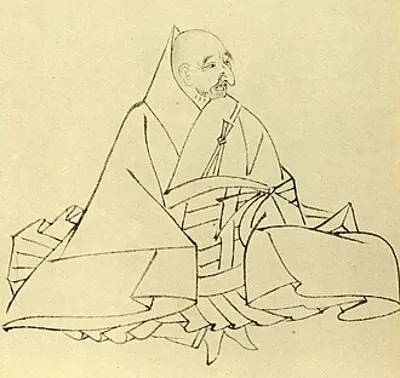
Hōjō Yoshitoki was the second Hōjō shikken (regent) of the Kamakura shogunate and head of the Hōjō clan. He was the second son of Hōjō Tokimasa. He was shikken from the abdication…
Hōjō Yoshitoki, regent of the Kamakura shogunate of Japan (born 1163)
Adolf of Osnabrück, O.Cist, was born in Tecklenburg about 1185, a member of the family of the Counts of Tecklenburg in the Duchy of Westphalia. During his lifetime, he became known…
Adolf of Osnabrück, German monk and bishop (born 1185)
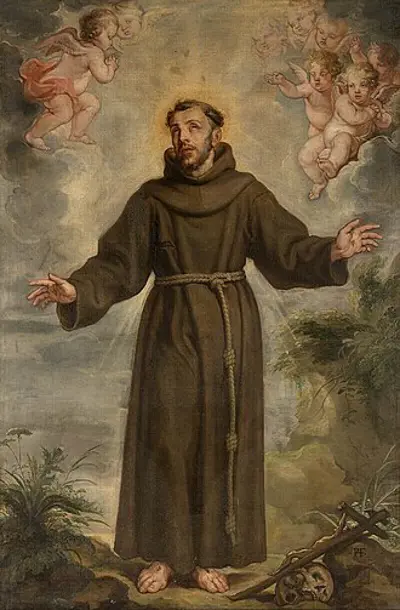
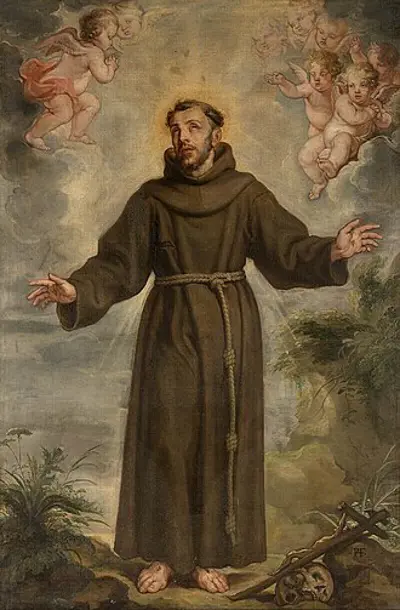
Giovanni di Pietro di Bernardone, known as Francis of Assisi, was an Italian mystic, poet and Catholic friar who founded the religious order of the Franciscans. Inspired to lead a …
Saint Francis of Assisi was canonized.
Conrad, a member of the Hohenstaufen dynasty, was the only son of Emperor Frederick II from his second marriage with Queen Isabella II of Jerusalem. He inherited the title of King …
Conrad IV of Germany (died 1254)
Isabella II, sometimes called Isabella of Brienne and erroneously Yolanda, was the queen of Jerusalem who reigned from 1212 to 1228. She was the daughter and successor of Maria of …
Queen Isabella II of Jerusalem (born 1212)
Stephen Langton was an English cardinal of the Catholic Church and Archbishop of Canterbury from 1207 until his death in 1228. The dispute between King John of England and Pope Inn…
Stephen Langton, English cardinal and theologian (born 1150)
Valdemar II Valdemarsen, later remembered as Valdemar the Victorious and Valdemar the Conqueror, was King of Denmark from 1202 until his death in 1241.
A coalition of north-east German towns, counts and princes defeats king Valdemar II of Denmark in the battle of…
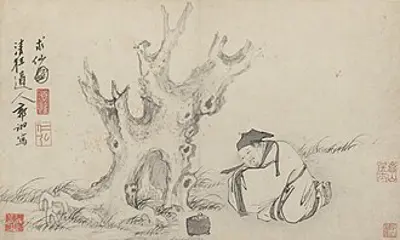
Qiu Chuji, courtesy name Tongmi (通密), also known by his Taoist name Master Changchun, was a renowned Taoist master from late Southern Song/Jin dynasty and a famous disciple of Wang…
Qiu Chuji, Chinese religious leader, founded the Dragon Gate Taoism (born 1148)
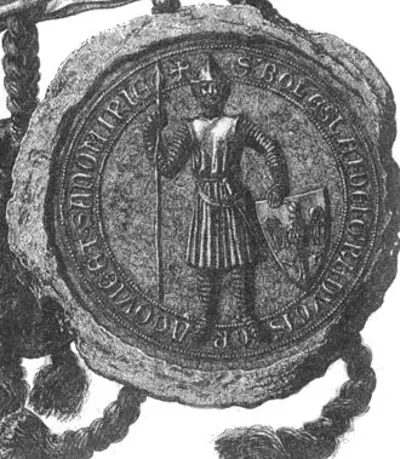
Bolesław V the Chaste was Duke of Sandomierz in Lesser Poland from 1232 and High Duke of Poland from 1243 until his death, as the last male representative of the Lesser Polish bran…
Bolesław V the Chaste of Poland (died 1279)
Pope Honorius III, born Cencio Savelli, was head of the Catholic Church and ruler of the Papal States from 18 July 1216 to his death. A canon at the Basilica di Santa Maria Maggior…
Pope Honorius III issues the bull Vineae Domini custodes in which he approves the mission of Dominican friars to Morocco
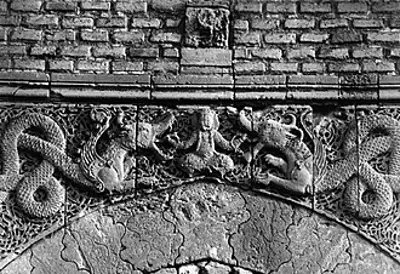
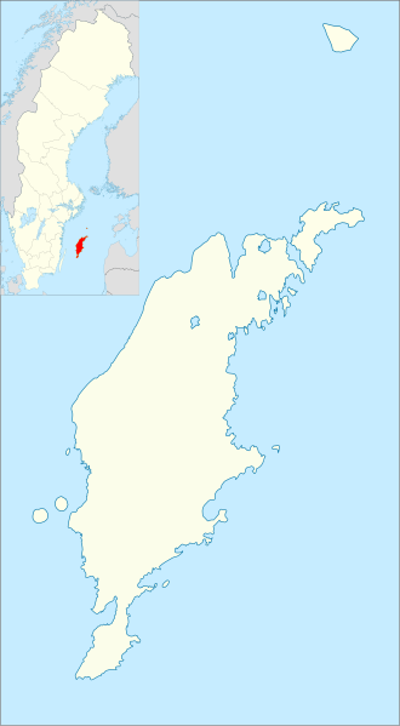
Gotland, also historically spelled Gottland or Gothland, is Sweden's largest island. It is also a province/county, municipality, and diocese. The province includes the islands of F…
Saint Mary's Church on Gotland, later to become Visby Cathedral (pictured), was consecrated.
Adolf of Osnabrück, O.Cist, was born in Tecklenburg about 1185, a member of the family of the Counts of Tecklenburg in the Duchy of Westphalia. During his lifetime, he became known…
Adolf of Osnabrück, German monk and bishop (born 1185)
Hōjō Yoshitoki was the second Hōjō shikken (regent) of the Kamakura shogunate and head of the Hōjō clan. He was the second son of Hōjō Tokimasa. He was shikken from the abdication…
Hōjō Yoshitoki, regent of the Kamakura shogunate of Japan (born 1163)
The Battle of the Kalka River was fought between the Mongol Empire, whose armies were led by Jebe and Subutai, and a coalition of several Rus' principalities, including Kiev and Ga…
Mongol invasion of the Cumans: Battle of the Kalka River: Mongol armies of Genghis Khan led by Subutai defeat Kievan Rus
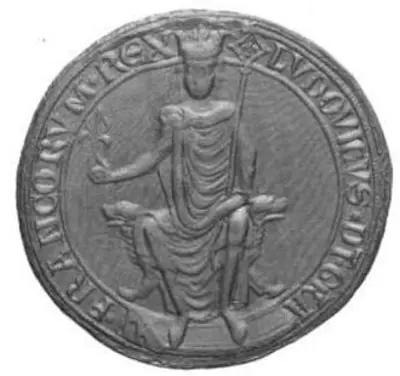
Louis VIII, nicknamed The Lion, was King of France from 1223 to 1226. As a prince, he invaded England on 21 May 1216 and was excommunicated by a papal legate on 29 May 1216. On 2 J…
Louis VIII becomes King of France upon the death of his father, Philip II.
Al-Malik al-Zahir Rukn al-Din Baybars al-Bunduqdari, commonly known as Baibars or Baybars (بَيْبَرْس) and nicknamed Abu al-Futuh, was the fourth Mamluk sultan of Egypt and Syria, r…
Baibars, sultan of Egypt (died 1277)
Philip II, also known as Philip Augustus, was King of France from 1180 to 1223. His predecessors had been known as kings of the Franks, but from 1190 onward, Philip became the firs…
Philip II, king of France (born 1165)
The Mongol Empire invaded and conquered much of the Kievan Rus' in the mid-13th century, sacking numerous cities such as Ryazan, Yaroslavl, Pereyaslavl and Vladimir, including the …
Mongol invasion of Kievan Rus': Mongol forces defeated a Kievan Rus' army at the Battle of the Kalka River in present-da
Louis VIII, nicknamed The Lion, was King of France from 1223 to 1226. As a prince, he invaded England on 21 May 1216 and was excommunicated by a papal legate on 29 May 1216. On 2 J…
Louis VIII (seal pictured) began his three-year reign as King of France.
Constance of Aragon was an Aragonese infanta who was by marriage firstly queen of Hungary and Croatia, and secondly queen of Germany and Sicily and Holy Roman empress. She was rege…
Constance of Aragon, Hungarian queen (born 1179)
Alexander Yaroslavich Nevsky was Prince of Novgorod and Grand Prince of Vladimir (1252–1263).
Alexander Nevsky, Russian prince and saint (died 1263)
Rikissa of Denmark was Queen of Sweden as the wife of King Erik Knutsson, and the mother of King Erik Eriksson.
Rikissa of Denmark, queen of Sweden
Henry de Bohun, 1st Earl of Hereford of Pleshey Castle in Essex, was an Anglo-Norman nobleman who became Hereditary Constable of England from 1199.
Henry de Bohun, 1st Earl of Hereford (born 1176)