Pope Alexander IV (born 1185)
Pope Alexander IV was head of the Catholic Church and ruler of the Papal States from 12 December 1254 to his death in 1261. In 1255, Alexander IV canonized Saint Clare of Assisi, f…
Pope Alexander IV (born 1185)
Explore 73 historical events from 1260β1269.
Pope Alexander IV was head of the Catholic Church and ruler of the Papal States from 12 December 1254 to his death in 1261. In 1255, Alexander IV canonized Saint Clare of Assisi, f…
Pope Alexander IV (born 1185)
The Battle of Lewes was one of two main battles of the conflict known as the Second Barons' War. It took place at Lewes in Sussex, on 14 May 1264. It marked the high point of the c…
Battle of Lewes: Henry III of England is captured and forced to sign the Mise of Lewes, making Simon de Montfort the eff
Prince Koreyasu , also known as Minamoto no Koreyasu , was the seventh shōgun of the Kamakura shogunate of medieval Japan. He was the nominal ruler virtually controlled by the Hōjō…
Koreyasu, Japanese prince and shōgun (died 1326)
Kublai Khan, also known by his temple name as the Emperor Shizu of Yuan and his regnal name Setsen Khan, was the founder and first emperor of the Mongol-led Yuan dynasty of China. …
Kublai Khan becomes ruler of the Mongol Empire
Roger de Quincy, 2nd Earl of Winchester, and the hereditary Constable of Scotland, was a nobleman of Anglo-Norman and Scottish descent who was prominent in both England and Scotlan…
Roger de Quincy, 2nd Earl of Winchester, medieval English nobleman; Earl of Winchester (born 1195)
The Second Barons' War (1264–1267) was a civil war in England between the forces of barons led by Simon de Montfort against the royalist forces of King Henry III, led initially by …
Second Barons' War: King Henry III was defeated at the Battle of Lewes and forced to sign the Mise of Lewes, making Simo
Giles of Assisi, was one of the original companions of Francis of Assisi and holds a leading place among them. St. Francis called him "The Knight of our Round Table".
Aegidius of Assisi, companion of Saint Francis of Assisi
The Principality of Antioch was one of the Crusader states created during the First Crusade which included parts of Anatolia and Syria. The principality was much smaller than the C…
The Principality of Antioch, a crusader state, falls to the Mamluk Sultan Baibars in the Siege of Antioch
The struggle for Constantinople was a complex series of conflicts following the dissolution of the Byzantine Empire in the aftermath of the Fourth Crusade in 1204, fought between t…
Struggle for Constantinople: Alexios Strategopoulos led Nicaean forces to recapture Constantinople, leading to the…
Gilles of Saumur was an Angevin cleric and preacher who was the first archbishop of Damietta during the Seventh Crusade, and the archbishop of Tyre from 1253 to 1266. As archbisho…
Gilles of Saumur, French archbishop
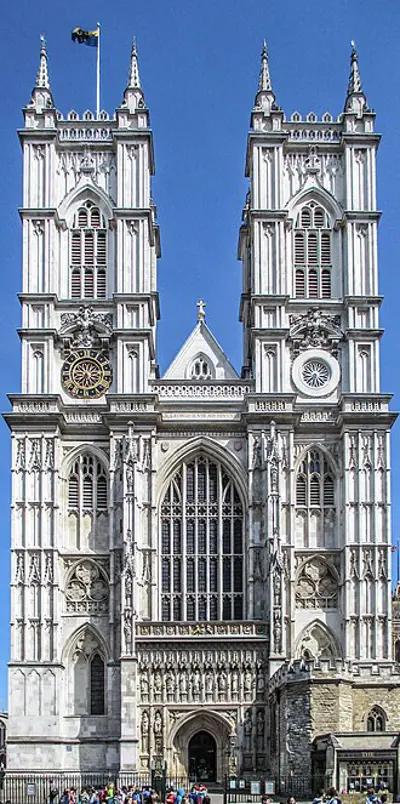
Westminster Abbey, formally titled the Collegiate Church of Saint Peter at Westminster, is an Anglican church in the City of Westminster, London, England. Since 1066, it has been t…
The present church building at Westminster Abbey is consecrated.
Eleanor of England was the eldest surviving daughter of Edward I of England and his first wife, Eleanor of Castile.
Eleanor of England, Countess of Bar (died 1298)
Agnes of Bohemia was a Bohemian princess, Countess of Habsburg, and Duchess of Austria.
Agnes of Bohemia, Duchess of Austria (died 1296)[citation needed]
Ulrich III was the ruler in the March of Carniola from c. 1249 and Duke of Carinthia from 1256 until his death, the last ruler from the House of Sponheim. His rule had long-lasting…
Ulrich III, Duke of Carinthia (born c.1220)
The Principality of Antioch was one of the Crusader states created during the First Crusade which included parts of Anatolia and Syria. The principality was much smaller than the C…
The Principality of Antioch, a crusader state, falls to the Mamluk Sultan Baibars in the Siege of Antioch
Agnes of Faucigny was suo jure ruling Dame of Faucigny from 1253, as well as countess consort of Savoy by marriage to Peter II, Count of Savoy.
Agnes of Faucigny, Dame ruler of Faucigny, Countess consort of Savoy
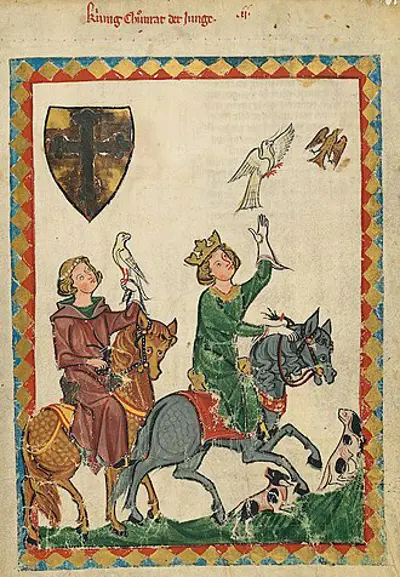
Conrad, called the Younger or the Boy, but usually known by the diminutive Conradin, was the last direct heir of the House of Hohenstaufen. He was Duke of Swabia (1254–1268) and no…
Conradin, King of Sicily (born 1252)
The Battle of Tagliacozzo was fought on 23 August 1268 between the Ghibelline supporters of Conradin of Hohenstaufen and the Guelph army of Charles of Anjou. The battle represented…
The Battle of Tagliacozzo: The army of Prince Conradin is nearly destroyed by Charles of Anjou, ending Hohenstaufen…
Conrad, called the Younger or the Boy, but usually known by the diminutive Conradin, was the last direct heir of the House of Hohenstaufen. He was Duke of Swabia (1254–1268) and no…
Conradin, the last Hohenstaufen king, is executed at Naples.
Peter II, called the Little Charlemagne, was Count of Savoy from 1263 until his death in 1268. He was also holder of the Honour of Richmond, Yorkshire in England, and the English l…
Peter II, count of Savoy (born 1203)
Frederick I of Baden, a member of the House of Zähringen, was Margrave of Baden and of Verona, as well as claimant Duke of Austria from 1250 until his death. As a fellow campaigner…
Frederick I, Margrave of Baden (born 1249)
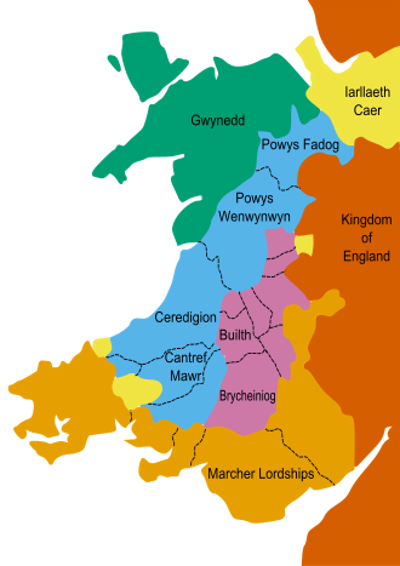
The Treaty of Montgomery was an Anglo-Welsh treaty signed on 29 September 1267 in Montgomeryshire by which Llywelyn ap Gruffudd was acknowledged as Prince of Wales by King Henry II…
The Treaty of Montgomery recognises Llywelyn ap Gruffudd as Prince of Wales, but only as a vassal of King Henry III.
James II, called the Just, was the King of Aragon and Valencia and Count of Barcelona from 1291 to 1327. He was also the King of Sicily from 1285 to 1295 and the King of Majorca fr…
James II of Aragon (died 1327)
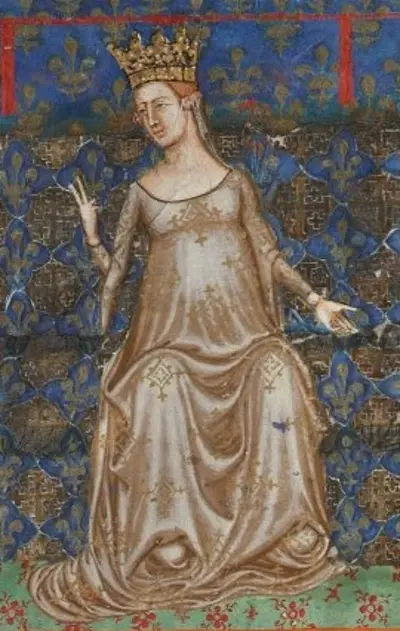
Beatrice of Provence, was the ruling Countess of Provence and Forcalquier from 1245 until her death, as well as Countess of Anjou and Maine and Queen of Sicily by marriage to Charl…
Beatrice of Provence, countess regnant of Provence (born 1234)
The War of Saint Sabas (1256–1270) was a conflict between the rival Italian maritime republics of Genoa and Venice over control of Acre, in the Kingdom of Jerusalem.
War of Saint Sabas: In the Battle of Trapani, the Venetians defeat a larger Genoese fleet, capturing all its ships
Gilles of Saumur was an Angevin cleric and preacher who was the first archbishop of Damietta during the Seventh Crusade, and the archbishop of Tyre from 1253 to 1266. As archbisho…
Gilles of Saumur, French archbishop
Henry II, Prince of Anhalt-Aschersleben was a German prince of the House of Ascania and ruler of the principality of Anhalt-Aschersleben.
Henry II, Prince of Anhalt-Aschersleben (born 1215)
Odo of Burgundy, in French Eudes de Bourgogne or Eudes de Nevers, was the Count of Nevers, Auxerre and Tonnerre and son of Hugh IV, Duke of Burgundy and Yolande of Dreux.
Eudes of Burgundy, Count of Nevers (born 1230)
Jan Prandota was bishop of Kraków from 1242 to his death in 1266.
Jan Prandota, Bishop of Kraków
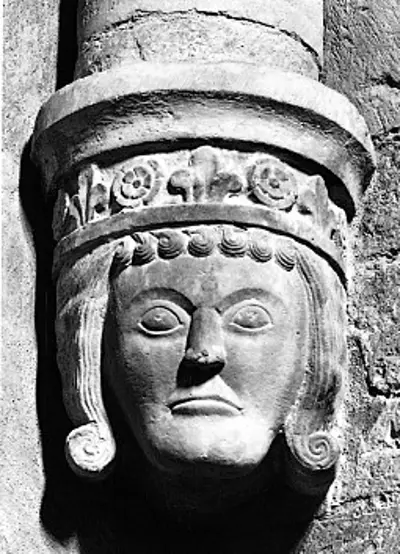
Birger Jarl or Birger Magnusson was a Swedish statesman and regent, jarl, and a member of the House of Bjälbo, who played a pivotal role in consolidating Sweden after the civil war…
Birger Jarl, Swedish politician (born 1210)
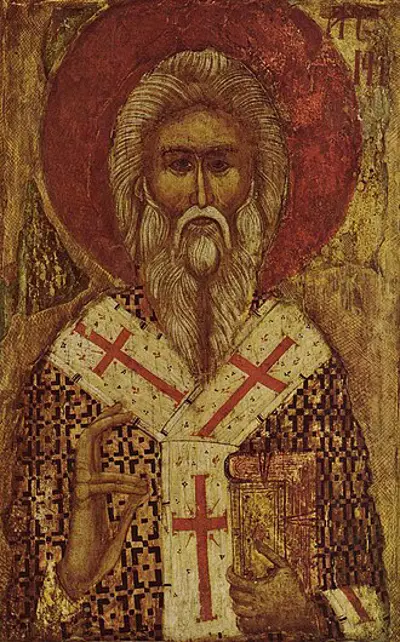
Arsenije Sremac was the second Serbian Archbishop (1233–1263) and a disciple of Saint Sava of Serbia.
Saint Arsenije I Sremac
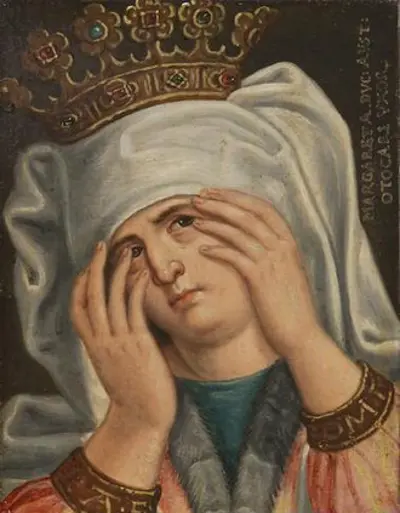
Margaret of Austria, a member of the House of Babenberg, was German queen from 1225 until 1235, by her first marriage with King Henry (VII), and Queen of Bohemia from 1253 to 1260,…
Margaret of Austria, Queen of Bohemia (born 1204)
The War of Saint Sabas (1256–1270) was a conflict between the rival Italian maritime republics of Genoa and Venice over control of Acre, in the Kingdom of Jerusalem.
War of Saint Sabas: In an action off Trapani, Sicily, a Venetian fleet captured all 27 opposing Genoese vessels
In 1268, the Byzantine Empire and the Republic of Venice agreed to temporarily end hostilities which had erupted after the Byzantine recovery of Constantinople by Emperor Michael V…
A draft Byzantine–Venetian treaty is concluded between Venetian envoys and Emperor Michael VIII Palaiologos, but is not