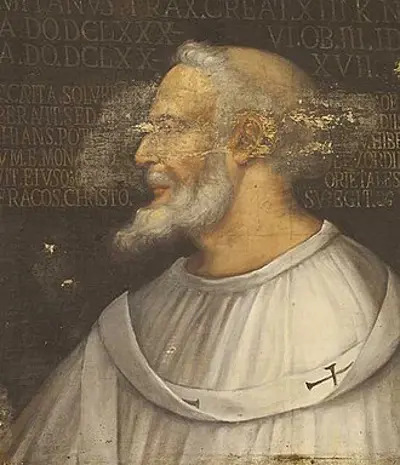
Kilian, Irish bishop
Kilian, also spelled Cillian or Killian, was an Irish missionary bishop and the Apostle of Franconia, where he began his labours in the latter half of the 7th century. His feast da…
Kilian, Irish bishop
Explore 36 historical events from 680β689.
Kilian, also spelled Cillian or Killian, was an Irish missionary bishop and the Apostle of Franconia, where he began his labours in the latter half of the 7th century. His feast da…
Kilian, Irish bishop
The Picts were a group of peoples in what is now Scotland north of the Firth of Forth, in the Early Middle Ages. Where they lived and details of their culture can be gleaned from e…
The Picts defeated the Northumbrians at the Battle of Dun Nechtain, severely weakening the latter's power in northern Gr
The Battle of Dun Nechtain or Battle of Nechtansmere was fought between the Picts, led by King Bridei Mac Bili, and the Northumbrians, led by King Ecgfrith, on 20 May 685.
The Battle of Dun Nechtain is fought between a Pictish army under King Bridei III and the invading Northumbrians under K
Cædwalla was the King of Wessex from approximately 685 until he abdicated in 688. His name is derived from the Welsh Cadwallon. He was exiled from Wessex as a youth and during this…
Cædwalla, king of Wessex (born 659)
Pope Leo II was the Bishop of Rome from 17 August 682 to his death on 28 June 683. One of the popes of the Byzantine Papacy, he is described by a contemporary biographer as both ju…
Pope Leo II is elected head of the Catholic Church, although he will not be consecrated until 17 August
Ecgfrith was the King of Northumbria from 670 until his death on 20 May 685. He ruled over Northumbria when it was at the height of its power, but his reign ended with a disastrous…
Ecgfrith of Northumbria (born 645)
Pope Benedict II was the bishop of Rome from 26 June 684 to his death on 8 May 685. Pope Benedict II's feast day is 7 May.
Pope Benedict II
Mu'awiya I was the founder and first caliph of the Umayyad Caliphate, ruling from 661 until his death. He became caliph less than thirty years after the death of the Islamic prophe…
Mu'awiya I, Umayyad caliph (born 602)
Pope John V was the bishop of Rome from 23 July 685 to his death on 2 August 686. He was the first pope of the Byzantine Papacy consecrated without prior imperial consent, and the …
Election of pope John V following the death of pope Benedict II two month prior.
Pope Leo II was the Bishop of Rome from 17 August 682 to his death on 28 June 683. One of the popes of the Byzantine Papacy, he is described by a contemporary biographer as both ju…
Leo II, pope of the Catholic Church (born 611)
Kilian, also spelled Cillian or Killian, was an Irish missionary bishop and the Apostle of Franconia, where he began his labours in the latter half of the 7th century. His feast da…
Kilian, Irish bishop
Guo Zhengyi was a Chinese politician of the Tang dynasty of China, serving as a chancellor during the reign of Emperor Gaozong and the regency of Emperor Gaozong's wife Empress Wu …
Guo Zhengyi, official of the Chinese Tang dynasty
Cædwalla was the King of Wessex from approximately 685 until he abdicated in 688. His name is derived from the Welsh Cadwallon. He was exiled from Wessex as a youth and during this…
Cædwalla, king of Wessex (born 659)
Saint Ségéne was the Bishop of Armagh, Ireland from 661 to 24 May 688.
Ségéne, bishop of Armagh (born c
Pope Conon was the bishop of Rome from 21 October 686 to his death on 21 September 687. He had been put forward as a compromise candidate, there being a conflict between the two fa…
Pope Conon (born 630)
Pope John V was the bishop of Rome from 23 July 685 to his death on 2 August 686. He was the first pope of the Byzantine Papacy consecrated without prior imperial consent, and the …
Pope John V
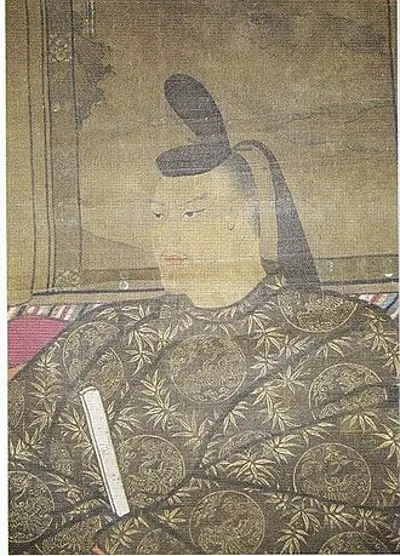
Emperor Tenmu was the 40th emperor of Japan according to the traditional order of succession. The son of Emperor Jomei and Empress Kōgyoku, he was born Prince Ōama around 630. Ruli…
Emperor Tenmu of Japan (born 631)
The Umayyad Caliphate or the Umayyad Empire was the second caliphate established after the death of the Islamic prophet Muhammad and was ruled by the Umayyad dynasty from 661 to 75…
The Umayyad forces suffer a decisive defeat against the pro-Alid forces under Ibrahim ibn al-Ashtar in the battle of…
The Second Fitna was the second civil war in the Islamic community during the early Umayyad Caliphate. It followed the death of the first Umayyad caliph Mu'awiya I in 680, and last…
Second Fitna: Pro-Alid forces defeated the Umayyad Caliphate in the Battle of Khazir, allowing them to take control of…
The Battle of Dun Nechtain or Battle of Nechtansmere was fought between the Picts, led by King Bridei Mac Bili, and the Northumbrians, led by King Ecgfrith, on 20 May 685.
The Battle of Dun Nechtain is fought between a Pictish army under King Bridei III and the invading Northumbrians under K
Pope John V was the bishop of Rome from 23 July 685 to his death on 2 August 686. He was the first pope of the Byzantine Papacy consecrated without prior imperial consent, and the …
Election of pope John V following the death of pope Benedict II two month prior.
Pope Conon was the bishop of Rome from 21 October 686 to his death on 21 September 687. He had been put forward as a compromise candidate, there being a conflict between the two fa…
Election of Pope Conon following the death of Pope John V.
Pope Benedict II was the bishop of Rome from 26 June 684 to his death on 8 May 685. Pope Benedict II's feast day is 7 May.
Pope Benedict II
Ecgfrith was the King of Northumbria from 670 until his death on 20 May 685. He ruled over Northumbria when it was at the height of its power, but his reign ended with a disastrous…
Ecgfrith of Northumbria (born 645)
Emperor Xuanzong of Tang, personal name Li Longji, was an emperor of the Tang dynasty of China, reigning from 712 to 756. His reign of 44 years was the longest during the Tang dyna…
Emperor Xuanzong of Tang (died 762)
The Picts were a group of peoples in what is now Scotland north of the Firth of Forth, in the Early Middle Ages. Where they lived and details of their culture can be gleaned from e…
The Picts defeated the Northumbrians at the Battle of Dun Nechtain, severely weakening the latter's power in northern Gr
Pope Benedict II was the bishop of Rome from 26 June 684 to his death on 8 May 685. Pope Benedict II's feast day is 7 May.
Pope Benedict II is consecrated as pope following imperial approval from the Byzantine Emperor
The Battle of Marj Rahit was one of the early battles of the Second Fitna. It was fought on 18 August 684 between the Kalb-dominated armies of the Yaman tribal confederation, suppo…
Battle of Marj Rahit: Umayyad partisans defeat the supporters of Ibn al-Zubayr and cement Umayyad control of Syria.
The Second Fitna was the second civil war in the Islamic community during the early Umayyad Caliphate. It followed the death of the first Umayyad caliph Mu'awiya I in 680, and last…
Second Fitna: Umayyad partisans defeated the supporters of Abd Allah ibn al-Zubayr near Damascus, cementing Umayyad…
The Battle of al-Harra was fought between the Umayyad army of the caliph Yazid I led by Muslim ibn Uqba and the defenders of Medina from the Ansar and Muhajirun factions, who had r…
The Battle of al-Harrah concludes, with Yazid I's army killing 11,000 people of the city of Medina.
Pope Leo II was the Bishop of Rome from 17 August 682 to his death on 28 June 683. One of the popes of the Byzantine Papacy, he is described by a contemporary biographer as both ju…
Leo II, pope of the Catholic Church (born 611)
Kʼinich Janaab Pakal I, also known as Pacal or Pacal the Great, was ajaw of the Maya city-state of Palenque in the Late Classic period of pre-Columbian Mesoamerican chronology. He …
Kʼinich Janaab Pakal I, ajaw of the city-state of Palenque (born 615)
The Second Fitna was the second civil war in the Islamic community during the early Umayyad Caliphate. It followed the death of the first Umayyad caliph Mu'awiya I in 680, and last…
Second Fitna: The Battle of al-Harra was fought between Umayyad forces and the rebel defenders of Medina at a lava…
Pope Leo II was the Bishop of Rome from 17 August 682 to his death on 28 June 683. One of the popes of the Byzantine Papacy, he is described by a contemporary biographer as both ju…
Pope Leo II is elected head of the Catholic Church, although he will not be consecrated until 17 August