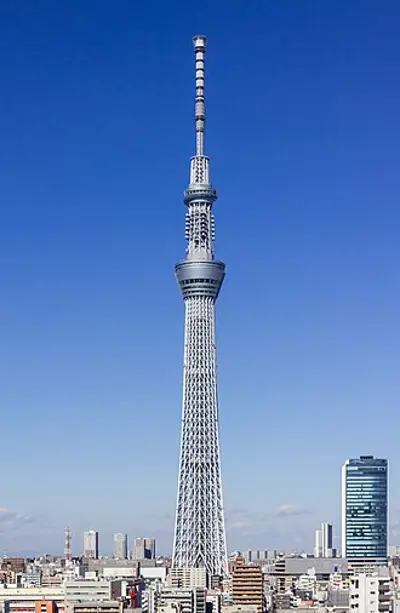
2012
Tokyo Skytree opens to the public
Tokyo Skytree opens to the public. It is the tallest tower in the world (634 m), and the second tallest man-made structure on Earth after Burj Khalifa (829.8 m).
2337 results for “The first African FIFA World Cup kicks off in South Africa” — type: events (702 ms)
Tokyo Skytree opens to the public. It is the tallest tower in the world (634 m), and the second tallest man-made structure on Earth after Burj Khalifa (829.8 m).
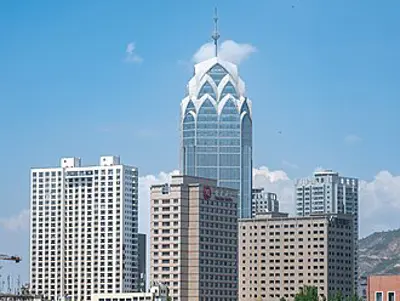
Near Xining, China, an 8.3 magnitude earthquake causes 200,000 deaths in one of the world's most destructive earthquakes.
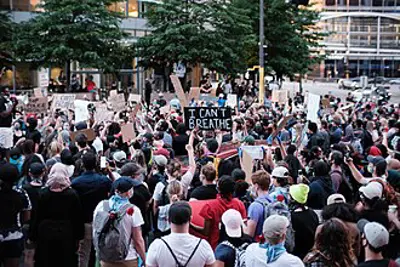
Protests triggered by the murder of George Floyd erupt in Minneapolis–Saint Paul, later becoming widespread across the United States and around the world.
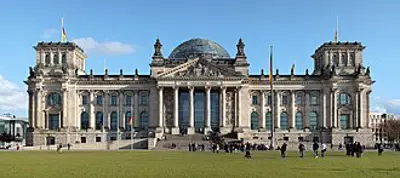
The Reichstag approves new legislation continuing Germany's naval expansion program, providing for construction of 38 battleships over a 20-year period. Germany's fleet would be the largest in the wor�
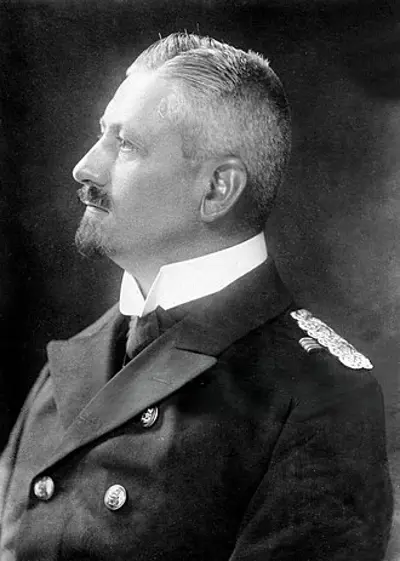
Admiral Ludwig von Reuter scuttles the German fleet at Scapa Flow, Orkney. The nine sailors killed are the last casualties of World War I.
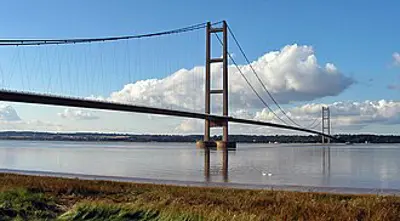
The Humber Bridge opens to traffic, connecting Yorkshire and Lincolnshire. It remained the world's longest bridge span for 17 years.
Prime Minister of Japan Tanaka Giichi convenes an eleven-day conference to discuss Japan's strategy in China. The Tanaka Memorial, a forged plan for world domination, is later claimed to be a secret r�
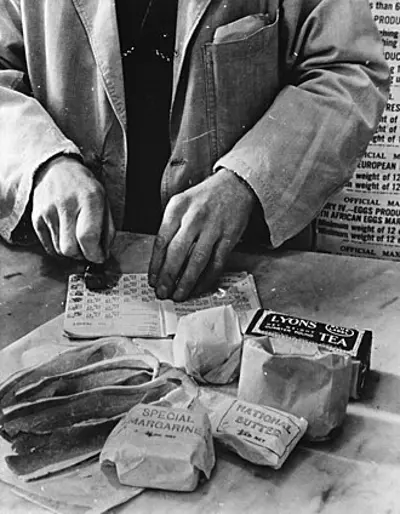
Food rationing in Great Britain ends, with the lifting of restrictions on sale and purchase of meat, 14 years after it began early in World War II, and nearly a decade after the war's end.
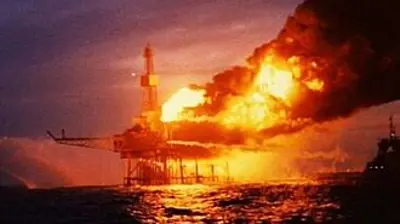
The Piper Alpha drilling platform in the North Sea is destroyed by explosions and fires. One hundred sixty-seven oil workers are killed, making it the world's worst offshore oil disaster in terms of d�
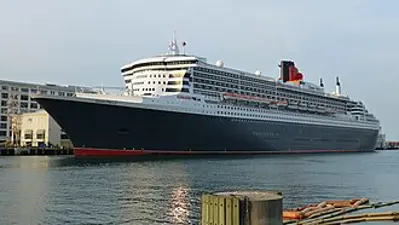
The ocean liner SS United States passes Bishop Rock on her maiden voyage, breaking the transatlantic speed record to become the fastest passenger ship in the world.
Japan completes its last reparation to the Philippines for war crimes committed during imperial Japan's conquest of the country in the Second World War.
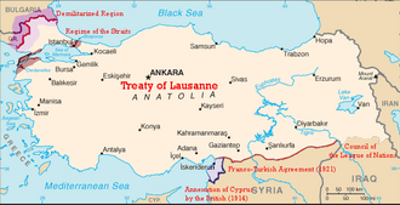
The Treaty of Lausanne, settling the boundaries of modern Turkey, is signed in Switzerland by Greece, Bulgaria and other countries that fought in World War I.
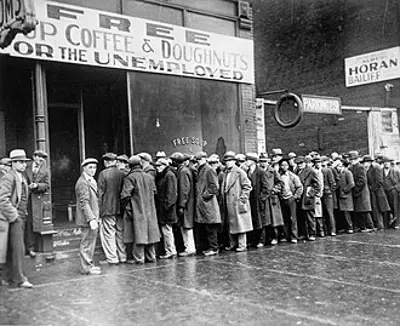
During the Great Depression, U.S. president Herbert Hoover orders the United States Army to forcibly evict the "Bonus Army" of World War I veterans gathered in Washington, D.C.
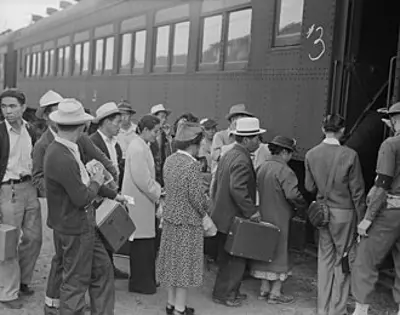
Japanese American internment: U.S. President Ronald Reagan signs the Civil Liberties Act of 1988, providing $20,000 payments to Japanese Americans who were either interned in or relocated by the Unite�
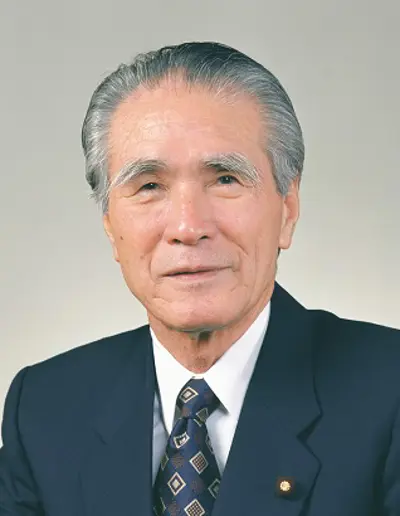
Tomiichi Murayama, Prime Minister of Japan, releases the Murayama Statement, which formally expresses remorse for Japanese war crimes committed during World War II.
German admiral Wilhelm Souchon hands over the two warships under his command to the Ottomans and becomes commander of the Turkish navy, leading later to the entry of the Ottoman Empire in World War I.
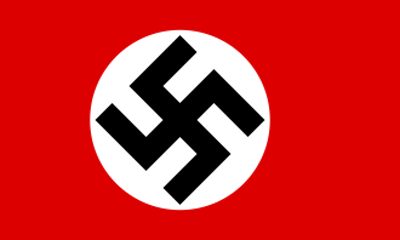
Nazi Germany mounts a false flag attack on the Gleiwitz radio station, creating an excuse to attack Poland the following day, thus starting World War II in Europe.
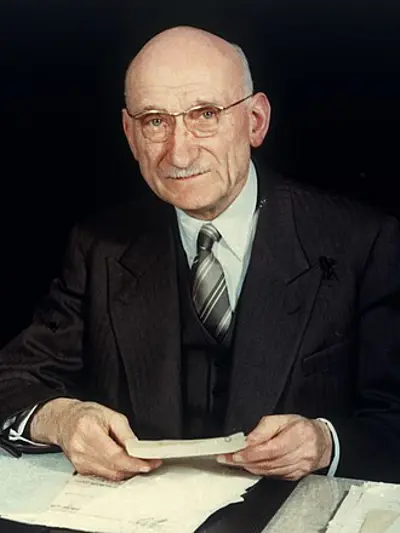
In France, Robert Schuman becomes President of the Council while being Foreign minister; as such, he is the French negotiator of the major treaties of the end of World War II.
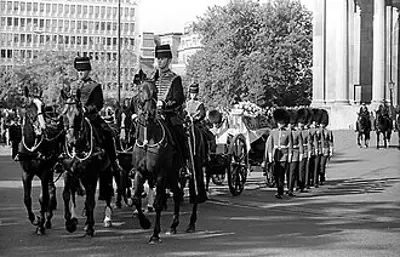
The funeral of Diana, Princess of Wales takes place in London. Well over a million people line the streets and 21⁄2 billion watch around the world on television.
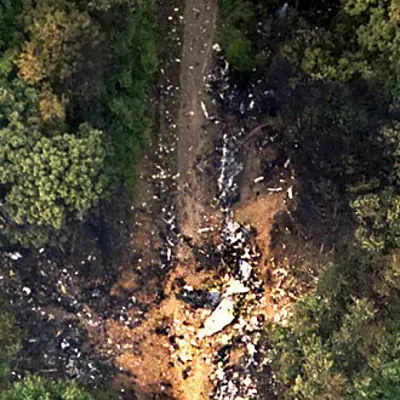
USAir Flight 427, on approach to Pittsburgh International Airport, suddenly crashes in clear weather killing all 132 aboard, resulting in the most extensive aviation investigation in world history and�