1870
Franco-Prussian War: The Battle of Wörth results in a decisive German victory.
Franco-Prussian War: The Battle of Wörth results in a decisive German victory.
667 results for “Louis Hofmann, German actor” — type: events (567 ms)
Franco-Prussian War: The Battle of Wörth results in a decisive German victory.
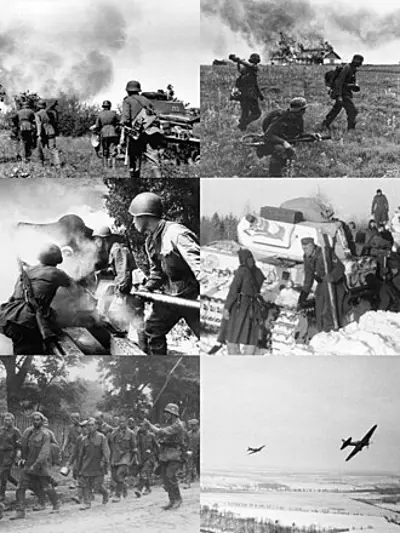
The "Aufbau Ost" directive for the mobilization of German forces for the invasion of the Soviet Union is signed by Wilhelm Keitel.
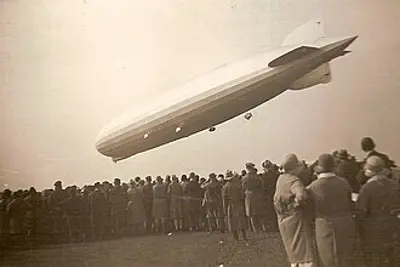
The German airship Graf Zeppelin begins a round-the-world flight.
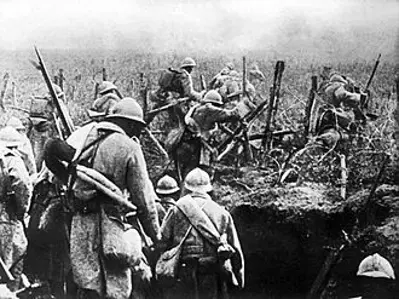
World War I: The Battle of Amiens begins a string of almost continuous Allied victories with a push through the German front lines (Hundred Days Offensive).
World War II: The Battle of Narva on the Eastern Front ends with a defensive German victory.
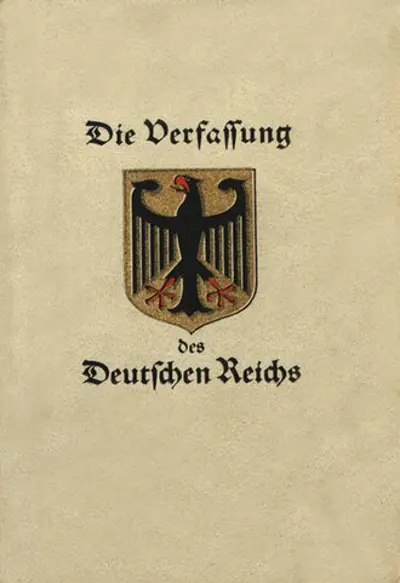
Germany's Weimar Constitution is signed into law.

Nazi German troops end the week-long Wola massacre, during which time at least 40,000 people are killed indiscriminately or in mass executions.
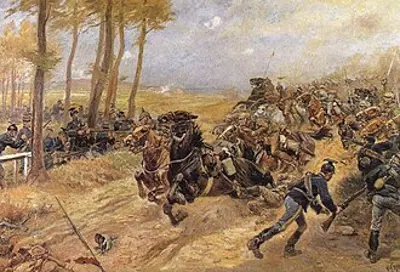
World War I: The Battle of Halen a.k.a. Battle of the Silver Helmets a clash between large Belgian and German cavalry formations at Halen, Belgium.
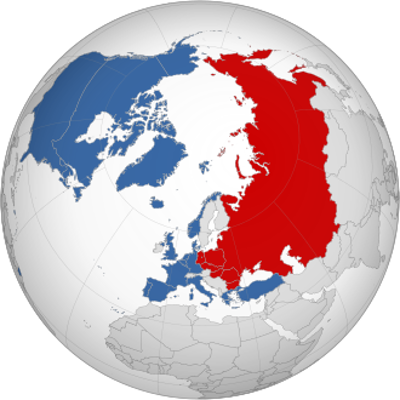
Cold War: East Germany closes the border between the eastern and western sectors of Berlin to thwart its inhabitants' attempts to escape to the West, and construction of the Berlin Wall is started. Th�
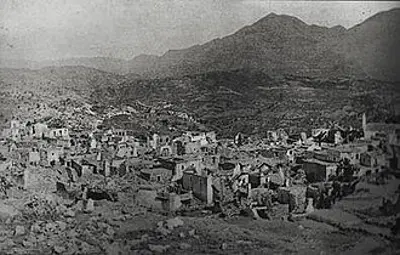
World War II: German troops begin the pillage and razing of Anogeia in Crete that would continue until September 5.
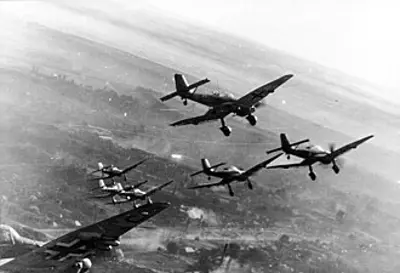
World War II: The German Luftwaffe launches an air operation, codenamed Adlertag, during the Battle of Britain in an attempt to destroy the British Royal Air Force.

Bayerische Motoren Werke AG (BMW) is established as a public company in Germany.
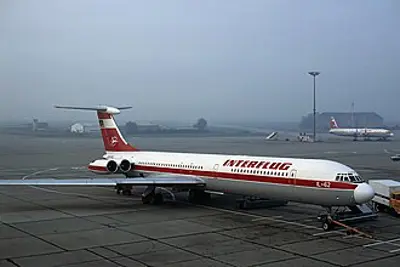
An Ilyushin Il-62 airliner crashes near Königs Wusterhausen, East Germany killing 156 people.
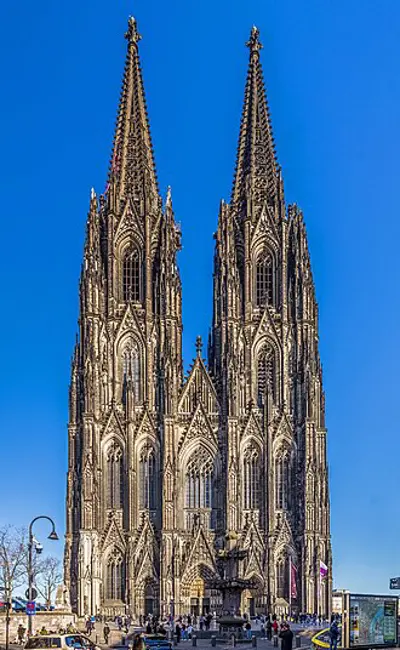
Construction of Cologne Cathedral, the most famous landmark in Cologne, Germany, is completed.
Border guard Conrad Schumann flees from East Germany while on duty guarding the construction of the Berlin Wall.
World War II: Battle of Trahili: Superior German forces surround Cretan partisans, who manage to escape against all odds.
A story in New York World newspaper reveals that the Imperial German government had purchased excess phenol from Thomas Edison that could be used to make explosives for the war effort and diverted it�
World War II: 317 Greek civilians are murdered by soldiers of the German 1st Mountain Division in the village of Kommeno, Greece.
German admiral Wilhelm Souchon hands over the two warships under his command to the Ottomans and becomes commander of the Turkish navy, leading later to the entry of the Ottoman Empire in World War I.