826
William of Septimania, Frankish nobleman (died 850)
William of Septimania, Frankish nobleman (died 850)
653 results for “Frank Bruno” (97 ms)
William of Septimania, Frankish nobleman (died 850)

Frank Waller, American sprinter and hurdler (born 1884)


Frank Ifield, English-Australian singer and guitarist (died 2024)

Frank Cooper, Australian politician, 25th Premier of Queensland (born 1872)

�ricultural production through government purchase of livestock for slaughter and paying subsidies to farmers when they remove land from planting, is signed into law by President Franklin D. Roosevelt.
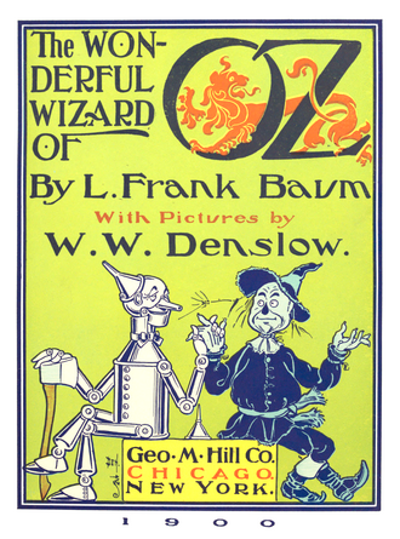
The children's novel The Wonderful Wizard of Oz, by L. Frank Baum, is first published in the United States. The first copy is given to the author's sister.
The first copies of the children's novel The Wonderful Wizard of Oz by L. Frank Baum were printed.
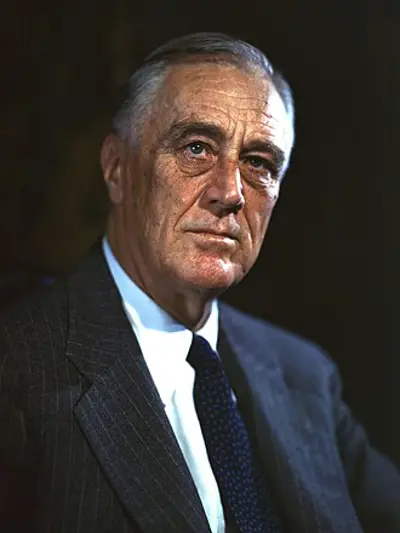
U.S. president Franklin D. Roosevelt signed an act establishing the Tennessee Valley Authority to stimulate the economic development of the Tennessee Valley, a region particularly impacted by the Grea�

University of Chicago students Richard Loeb and Nathan Leopold, Jr. murder 14-year-old Bobby Franks in a "thrill killing".
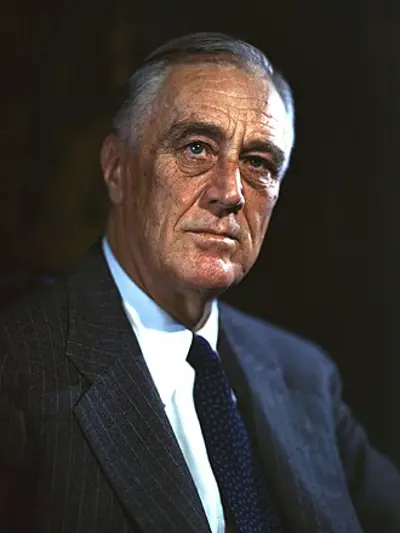
World War II: U.S. president Franklin D. Roosevelt proclaims an "unlimited national emergency".
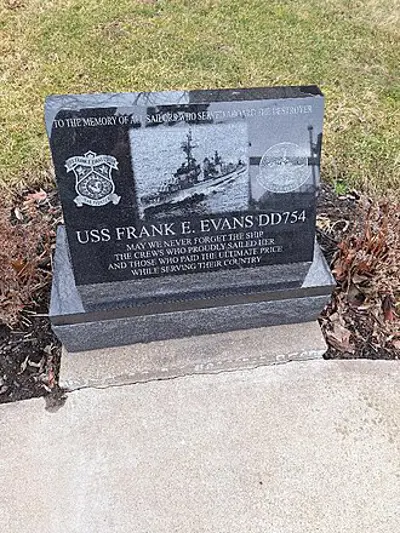
Melbourne–Evans collision: off the coast of South Vietnam, the Australian aircraft carrier HMAS Melbourne cuts the U.S. Navy destroyer USS Frank E. Evans in half; resulting in 74 deaths.

�TS-111, carrying the Expedition 5 crew to the International Space Station to replace the Expedition 4 crew. Astronaut Franklin Chang-Díaz becomes the second person to have flown on seven spaceflights.
New Deal: U.S. President Franklin D. Roosevelt signs the Securities Exchange Act of 1934 into law, establishing the U.S. Securities and Exchange Commission.
World War II: U.S. President Franklin D. Roosevelt denounces Italy's actions in his "Stab in the Back" speech at the graduation ceremonies of the University of Virginia.
U.S. President Franklin D. Roosevelt signs into law the Servicemen's Readjustment Act of 1944, commonly known as the G.I. Bill.
The National Labor Relations Act, which governs labor relations in the United States, is signed into law by President Franklin D. Roosevelt.