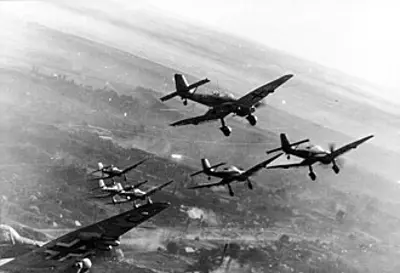
Second World War: The Luftwaffe changed their strategy in the Battle of Britain and began bombing London and other…
Second World War: The Luftwaffe changed their strategy in the Battle of Britain and began bombing London and other cities and towns.
2043 results for “Robert T. Frederick” — type: selected (799 ms)
Second World War: The Luftwaffe changed their strategy in the Battle of Britain and began bombing London and other cities and towns.
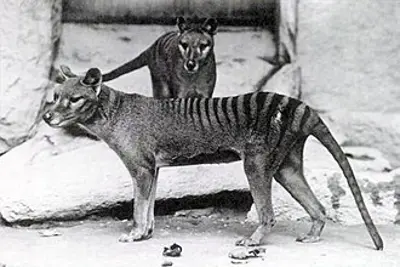
The last thylacine (pictured) died in captivity in Hobart Zoo, Australia.
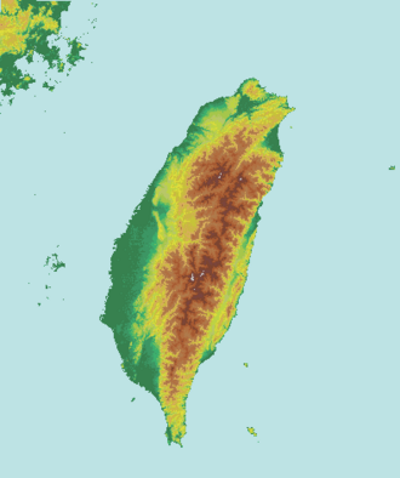
Chinese peasants on Formosa (now Taiwan) began a rebellion against Dutch rule which was suppressed four days later.
Queen Elizabeth II (pictured) died at Balmoral Castle in Scotland; her eldest son Charles III acceded to the throne as King of the United Kingdom and other Commonwealth realms.
At the Tailhook Association symposium in Las Vegas, U.S. Navy and Marine Corps aviators were alleged to have sexually assaulted 90 persons.
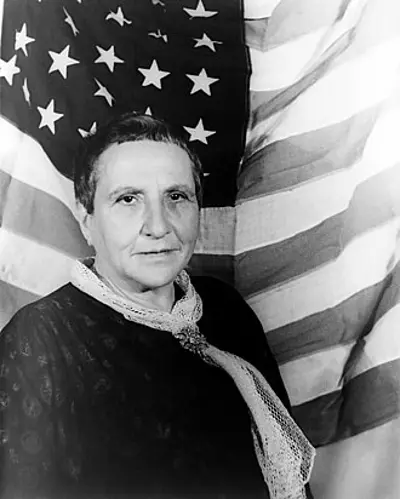
Gertrude Stein meets her life partner and muse, Alice B. Toklas in Paris.
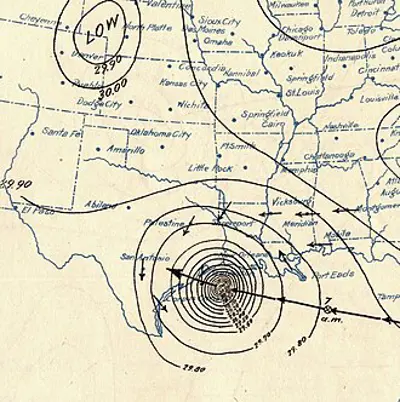
The Great Galveston hurricane, the deadliest natural disaster in U.S. history, struck Galveston, Texas, with estimated winds of 135 miles per hour (215 km/h) at landfall, killing at least 6,000 peopl�
The Russian Empire suppressed the November Uprising in Poland with the capture of Warsaw after a two-day assault.
Theodoric was elected by opponents of Pope Paschal II, following the death of Antipope Clement III.
A natural-gas pipeline in San Bruno, California, exploded and "shot a fireball more than 1,000 feet (300 m) in the air", killing eight people.
World War II: About 3,000 Polish Army troops began a nearly month-long defence of the Hel Peninsula during the German invasion of Poland.
Byzantine forces defeated Achaean troops at the Battle of Saint George, taking control of the Arcadia region of Greece.
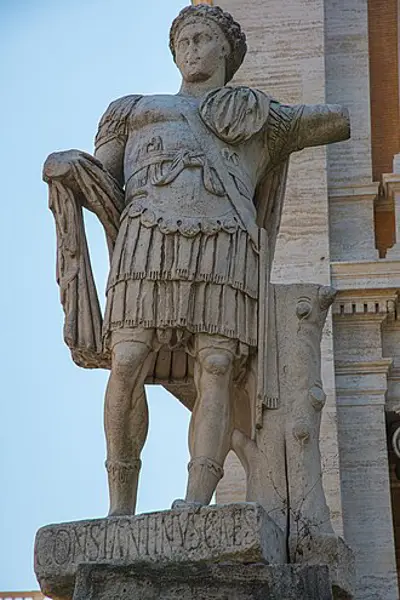
After disposing of all relatives who possibly held a claim to the throne, Constantine II, Constantius II and Constans became Roman co-emperors.
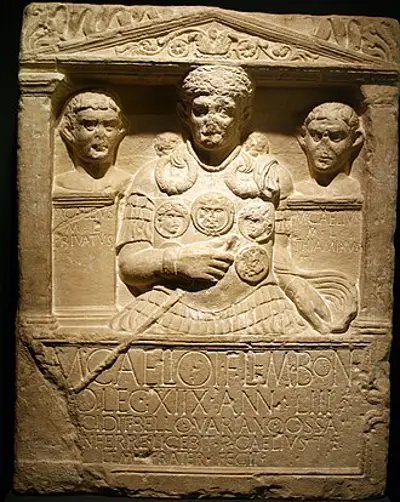
Germanic Wars: An alliance of Germanic tribes led by Arminius engaged Roman forces at the Battle of the Teutoburg Forest, defeating three legions within a few days.
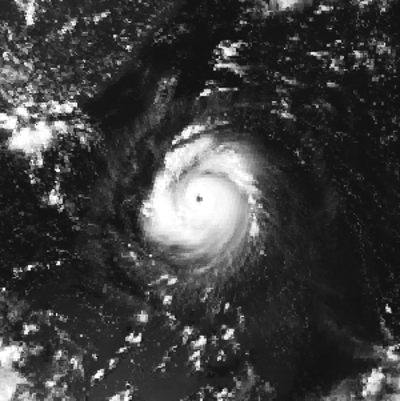
Typhoon Ellen dissipated after destroying hundreds of homes across Hong Kong and the Philippines.
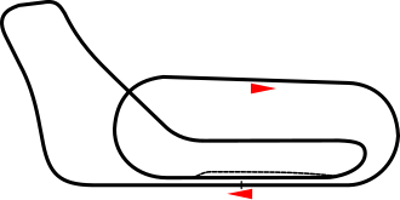
At the Italian Grand Prix at Monza, German driver Wolfgang von Trips's car collided with another, causing it to become airborne and crash into a side barrier, killing him and 15 spectators.
al-Qaeda hijacked four passenger airliners to carry out a series of terrorist attacks (one pictured) against targets in New York City and the area of Washington, D.C., killing 2,977 people.
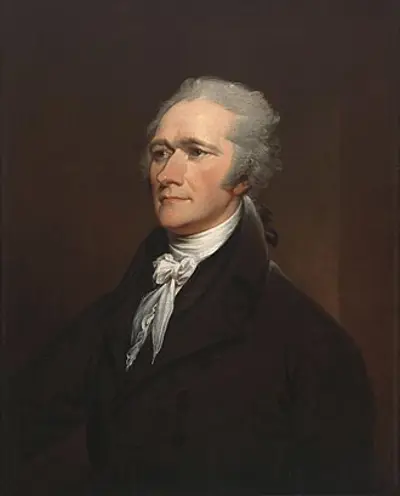
Alexander Hamilton (pictured), co-writer of The Federalist Papers, became the first U.S. Secretary of the Treasury.
American Revolutionary War: Approximately ten American soldiers were killed by Loyalists and their Native American allies in the Sugarloaf massacre in Luzerne County, Pennsylvania.
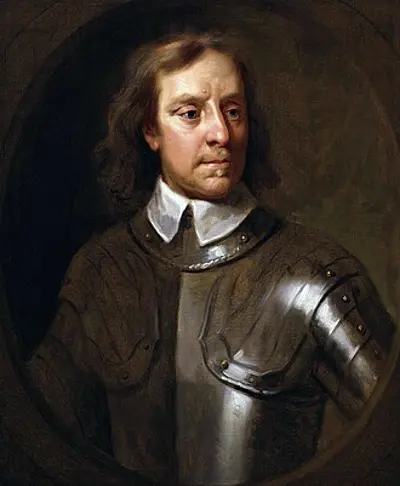
Cromwellian conquest of Ireland: Oliver Cromwell's New Model Army ended the Siege of Drogheda, took over the town and massacred its garrison.