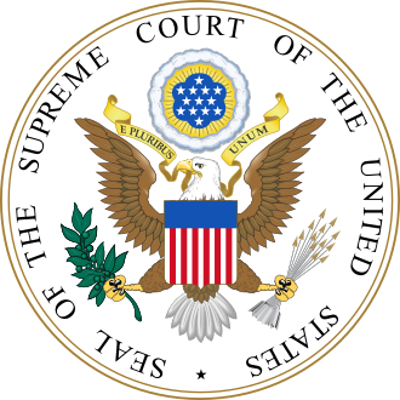
The United States Supreme Court ruled in A
The United States Supreme Court ruled in A.L.A. Schechter Poultry Corp. v. United States that the National Industrial Recovery Act, a major component of the New Deal, was unconstitutional.
1431 results for “Nat Adderley” (185 ms)
The United States Supreme Court ruled in A.L.A. Schechter Poultry Corp. v. United States that the National Industrial Recovery Act, a major component of the New Deal, was unconstitutional.
�eries of nuclear tests by India with five of its own codenamed Chagai-I, prompting the United States, Japan, and other nations to impose economic sanctions. Pakistan celebrates Youm-e-Takbir annually.
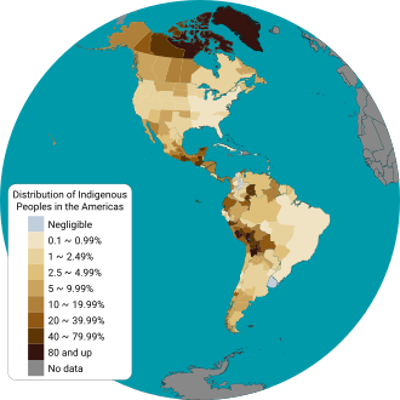
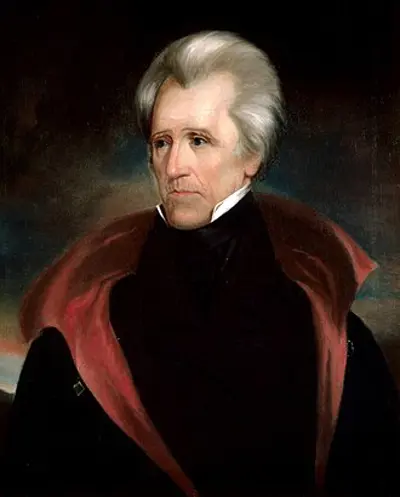
U.S. President Andrew Jackson signs the Indian Removal Act which denies Native Americans their land rights and forcibly relocates them.
U.S. president Andrew Jackson signed the Indian Removal Act into law, authorizing him to negotiate with Native Americans for their removal from their ancestral homelands.
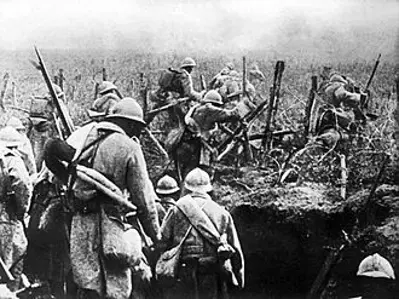
World War I: Armenian forces defeated Ottoman troops at the Battle of Sardarabad, halting the Turkish advance and preventing further destruction of the Armenian nation.
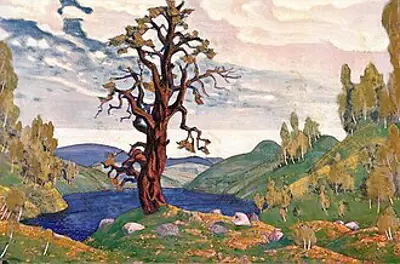
�ballet Le Sacre du printemps by Igor Stravinsky at the Théâtre des Champs-Élysées in Paris, the avant-garde nature of the music and choreography caused a near-riot in the audience (report pictured).
�The remains of two unidentified American servicemen, killed in action during World War II and the Korean War respectively, are buried at the Tomb of the Unknown Soldier in Arlington National Cemetery.
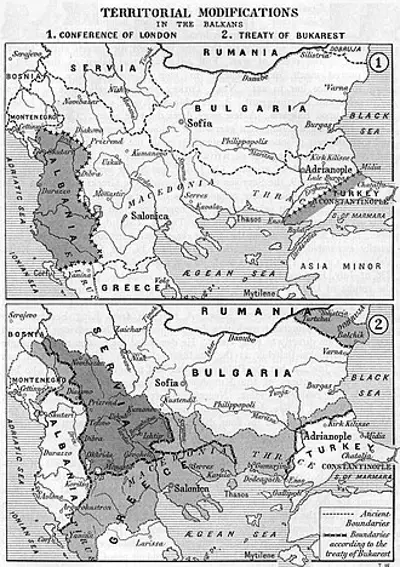
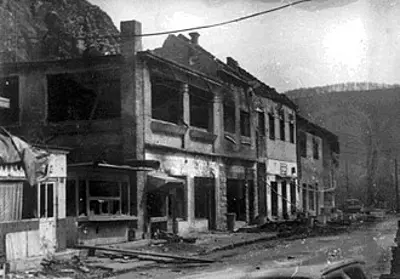
�Balkan War between the Balkan allies and the Ottoman Empire. The Ottomans cede all their European territories west of a straight line between Enos and Media and Albania becomes an independent nation.
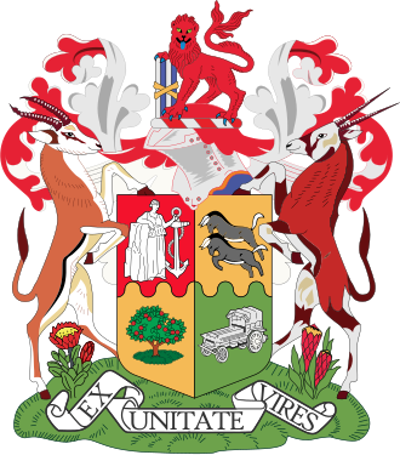
�on of 1961 becomes effective, thus creating the Republic of South Africa, which remains outside the Commonwealth of Nations until 1 June 1994, when South Africa is returned to Commonwealth membership.
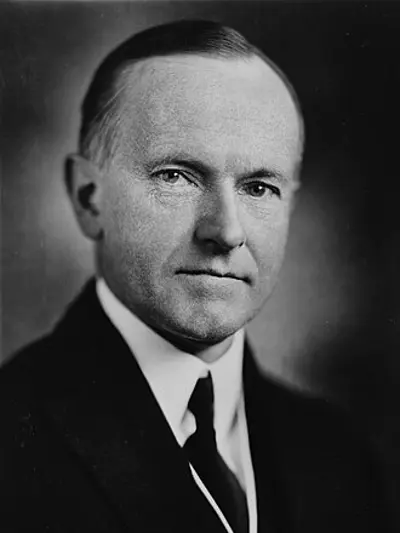
U.S. President Calvin Coolidge signs the Indian Citizenship Act into law, granting citizenship to all Native Americans born within the territorial limits of the United States.
Bosnian War: U.S. Air Force captain Scott O'Grady was shot down while patrolling the NATO no-fly zone over Bosnia, but ejected safely and was rescued six days later.
�are recognised in Mabo v Queensland (No 2), a case brought by Torres Strait Islander Eddie Mabo which led to the Native Title Act 1993 overturning the long-held colonial assumption of terra nullius.
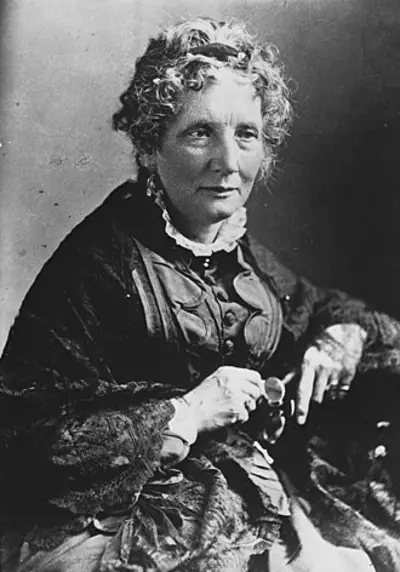
Harriet Beecher Stowe's anti-slavery serial, Uncle Tom's Cabin, or Life Among the Lowly, starts a ten-month run in the National Era abolitionist newspaper.
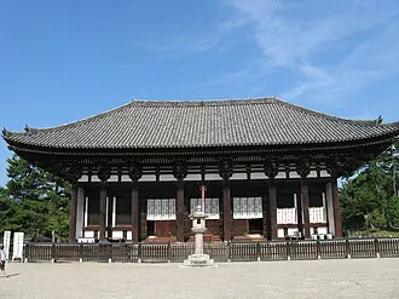
The Ancient Temples and Shrines Preservation Law was passed, instituting the protection of structures and artifacts in Japan designated National Treasures.
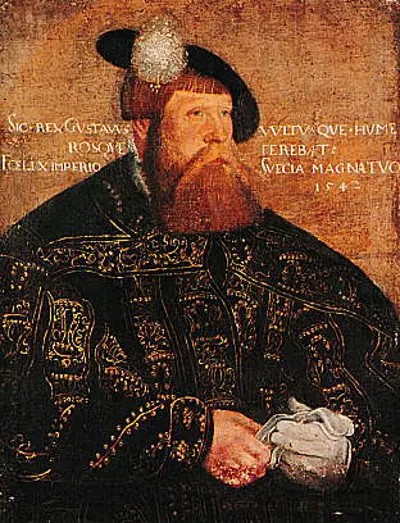
Swedish regent Gustav Vasa is elected King of Sweden and, marking a symbolic end to the Kalmar Union, 6 June is designated the country's national day.
Norway's parliament dissolves its union with Sweden. The vote was confirmed by a national plebiscite on August 13 of that year.
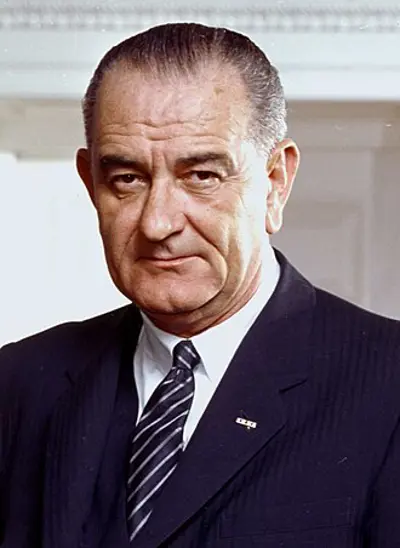
U.S. President Lyndon B. Johnson declares a national day of mourning following the assassination of Senator Robert F. Kennedy.
The U.S. Government forcibly removes the last holdouts to the Native American Occupation of Alcatraz, ending 19 months of control.
�bama in an attempt to block two black students, Vivian Malone and James Hood, from attending that school. Later in the day, accompanied by federalized National Guard troops, they are able to register.
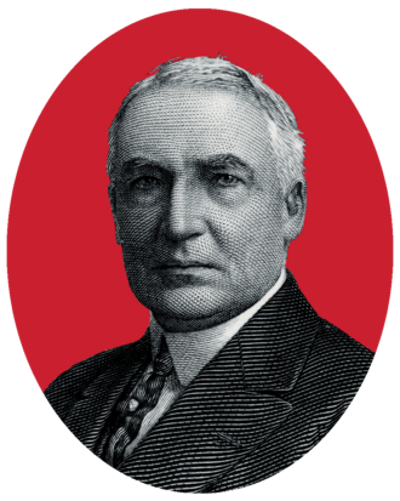
During the U.S. Republican National Convention in Chicago, U.S. Republican Party leaders gathered in a room at the Blackstone Hotel to come to a consensus on their candidate for the U.S. presidential�